Friday, July 4, 2025

Happy Birthday America
Healthy Red, White, and Blue Foods


Red, White, and Blue Food Choices


Red, White, and Blue on a Bun


Yields: 2 servings

Ingredients
1 Whole Wheat Hamburger Bun
1 Whole Wheat Hot Dog Bun
1 Strawberry
9 Raspberries
3 Blackberries
14 Blueberries
1 Tbsp Cream Cheese, reduced-fat


Red, White, and Blue Parfait

Ingredients
1/3 cup Blueberries
1/3 cup Fat-free Vanilla Yogurt
1/3 cup Strawberries, sliced


Red, White, and Blue Sandwich on
 Sourdough Bread with Cream Cheese,
Yogurt-Covered Raisins, Blueberries,
Raspberries, and Strawberries

Ingredients
2 slices thin Sourdough Bread
2 Tbsp Cream Cheese, low fat
7 yogurt-covered Raisins
1/2 cup Blueberries
2 Strawberries
4 Raspberries


Directions
1. Spread cream cheese on half the bread.
2. Use the yogurt-covered raisins and blueberries as the stars on the flag.
3. Slice strawberries to form the stripes on the flag.
4. Garnish: Blueberries and Raspberries.


Thursday, July 3, 2025

July 3, Eat Beans Day

The nutrition information provided below is based on 1/2 cup cooked beans, prepared from dry beans. No salt has been added, therefore sodium levels are insignificant. Beans contain no cholesterol and a small amount of fat. They are a great source of fiber, high in potassium and contain many of the B vitamins. Beans also provide between 7% to 18% of one's daily iron needs.


All About Beans

The US Dry Bean Council (USDBC) is a private trade association comprised of leaders in the bean industry with the common goal of promoting the U.S. edible bean trade, both in the United States and abroad, and educating U.S. consumers about the benefits of beans. The USDBC gives a voice to the bean industry and provides information to consumers, health professionals, buyers, suppliers and the media about the good taste, nutritional value and versatility of beans.

The USDBC also is a resource for information on U.S. exporters, overseas importers, U.S. dry bean classes, trade policy issues and the role of U.S.-grown beans in international food-aid efforts. USDBC also publishes foreign language newsletters and other publications designed to help overseas importers, packagers and canners better understand and maintain contact with the U.S. dry bean exporting trade.

As part of USDBC’s mission, the organization collaborates with public health organizations, research centers, universities, and the entire supply chain, from seed suppliers to farmers, processors, wholesalers, distributors and transporters.

While the USDBC is privately funded, its representatives work closely with the U.S. Department of Agriculture (USDA) in overseas markets, and often co-sponsors activities with the U.S. Government. These activities include hosting trade missions from foreign countries to visit U.S. production and processing facilities, participating in trade shows worldwide, coordinating trade missions of U.S. exporters and growers to visit overseas markets and producing education

The USDBC is headquartered in Washington, D.C., with a marketing office in Pierre, South Dakota. In addition, USDBC representatives around the world facilitate activities and dialog between U.S. and overseas trade.


Benefits
Unlike meat-based proteins, beans are naturally low in fat and are a cholesterol-free source of protein. Research shows that a diet including beans may reduce your risk of heart disease.

A nutrient-rich food, beans contain protein, complex carbohydrates, fiber, antioxidants, and important vitamins and minerals, such as folate, B-Vitamins, manganese, potassium and iron.

Folate, a vitamin very important for pregnant women and their unborn babies, is found in beans. During pregnancy, women need more folate. Expectant mothers who consume enough of the right nutrients can help reduce the risk of birth defects.

Beans are especially important for people with certain food allergies and intolerances. For example, some people can’t tolerate gluten, a natural protein present in wheat, barley and rye. Because beans don’t contain gluten, or major allergens found in various grains, substituting beans can help provide the fiber and other nutrients that people on restricted diets may be missing. Beans come in a variety of convenient forms (such as canned beans, bean flours and dehydrated beans) that can be used in place of allergenic and gluten-containing ingredients.

Bean Recipes

Bean Burrito

Black Bean Soup Garnished with
Green Onions

Black Bean Soup Garnished with Green Onions and
Reduced-fat Sour Cream Served in a Sourdough Roll


Tuesday, July 1, 2025

Made in America Day

Made In America


Made in USA

Do you promote your products as “Made in the USA”? Under the law, certain products are required to disclose their U.S. content. For others, manufacturers and marketers who choose to make claims about the amount of U.S. content must be aware of the Federal Trade Commission's (FTC) Enforcement Policy Statement on U.S. Origin Claims. Is your company up on what's required?


The Made in USA mark is a country of origin label indicating the product is "all or virtually all" made in the United States. The label is regulated by the Federal Trade Commission (FTC).

In general, goods imported into the United States must have a country of origin label unless accepted, but goods manufactured in the United States can be sold without any sort of "Made in the USA" label unless explicitly required. Voluntary claims about the amount of U.S. content in other products must comply with the FTC’s Made in USA policy.

A Made in USA claim can be expressed (for example, "American-made") or implied. In identifying implied claims, the Commission focuses on the overall impression of the advertising, label, or promotional material. Depending on the context, U.S. symbols or geographic references (for example, U.S. flags, outlines of U.S. maps, or references to U.S. locations of headquarters or factories) may convey a claim of U.S. origin by themselves or in conjunction with other phrases or images.


Resources

1. Federal Trade Commission Protecting American Consumers
2. Products Made in the USA Directory, Made in USA Forever
3. 
Federal Trade Commission: Complying with the Made in USA Standard
4. Made in USA, Wikipedia


Friday, June 27, 2025

National Onion Day - From the Farm to the Table


Onions are bulb-shaped vegetables growing underground. Also known as bulb onions or common onions, they are grown worldwide.


Onions are rich in plant compounds and antioxidants, especially quercetin and sulfur-containing compounds. Colorful varieties, such as yellow or red ones, have different antioxidants than white ones.

Nutrition Benefits
Fat-free; saturated fat-free; very low sodium; cholesterol free; good source of dietary fiber.


Selection
Choose onions that are firm and dry with bright, smooth outer skins.

Storage
*Store whole onions in a cool, dark, well-ventilated place; use within 4 weeks.
*Refrigerate cut onions in a tightly sealed container; use within 2-3 days.

How to Grow Onions from Seed


Culinary Uses

Onions
 are served cooked as a vegetable or part of a prepared savory dish and can also be eaten raw or used to make pickles or chutneys. For example, onions may also be used as a main ingredient in French onion soup, creamed onions, and onion chutney. They are versatile and can be baked, boiled, braised, grilled, fried, roasted, sautéed, or eaten raw in salads.

Recipe: RoastedOnions


Onions are pungent when chopped and contain certain chemical substances which irritate the eyes.

Onions are toxic to dogs, cats, guinea pigs, and many other animals.


Tips on how to add onions to your diet:

*Add sliced or diced white, yellow, green, or red onions to your favorite salad.
*Add caramelized onions to savory baked goods.
*Combine cooked onions with other vegetables for a healthy side dish.
*Add cooked onions to egg dishes, such as omelets, frittatas, or quiches.
*Top meat, chicken, or tofu with sautéed onions.
*Use onion and garlic as a base for stocks and soups.
*Make a homemade salsa with onions, tomatoes, and fresh cilantro.
*All onions to soup, chili, or stir-fry
*Blend raw onions with fresh herbs, vinegar, and olive oil for a tasty homemade salad dressing.


Resources 
1. Onion, @Fruits_Veggies 
2. Planting, Growing, and Harvesting Onions, Old Farmer’s Almanac
3. Health Benefits of Onions, Healthline, by Jillian Kubala, MS, RDN


From Farm to Table: Pineapples - Creative Creations


Nutrition Profile

Pineapples contain the bromelain enzyme, which can break down proteins, and you can use them to tenderize meat.

Bromelain may help arthritis pain by easing inflammation. Pineapple is also a good source of vitamin C, which helps the immune system.


Pineapple Tidbits 
1. Hawaii produces about 1/3 of all pineapples in the world.
2. Pineapples are a cluster of hundreds of fruitlets.
3. Pineapples take about 18-20 months to become ready to harvest.
4. One pineapple plant can produce one pineapple at a time.
5. In 1493, explorer Christopher Columbus found pineapples on Guadeloupe Island in the Caribbean.
6. Historically, Hawaii was the world's largest producer and source of U.S. pineapples. Today, the largest producers include the Philippines, Brazil, and Costa Rica.

Pineapple Selection
Pass over sour-smelling or bruised pineapples. Fruit from Hawaii or Central America tends to be freshest.


Pineapple Care
To make your pineapple softer and juicier, keep it at room temperature for 1 or 2 days before cutting.

How to Select
Choose pineapples with dark green leaves that are heavy in size. Avoid soft or dark spots and dry-looking leaves.

How to Store

Eat as soon as possible.
Refrigerate cut pineapple for 2-3 days.

Waffle with Peanut Butter, Pineapple, and Blueberries

Ingredients

1 Waffle

2 teaspoons Peanut Butter, reduced fat
1/4 cup Pineapple1/
3 cup Blueberries


Resources
1. Pineapple, Wikipedia  
2. 8 Fun Facts About Pineapple, #WebMD 
3. Pineapple: Nutrition. Selection. Storage @Fruits_Veggies 


Thursday, June 26, 2025

Discover the Versatility of Coconut - National Coconut Day

Discover the Versatility of Coconut


Coconut is the fruit of the coconut palm (Cocos nucifera). Coconuts have been cultivated in tropical regions for over 4,500 years. Unlike their name suggests, coconuts aren’t nuts. They form part of the drupe family, which are fruits consisting of a fleshy external part with a pit and seed inside. Drupes have three layers: the outer layer, a fleshy middle layer, and a hard layer surrounding the seed.

Recently, coconut has received considerable publicity as a super-healthy food; however, much of the information is not supported by scientific evidence. A variety of coconut-derived products add flavor to food, including coconut oil, coconut flour, and coconut milk. But can a food so high in calories and rich in saturated fat be healthy?


Coconut Oil and Coconut Butter
Coconut oil is simply extracted from the coconut meat, while coconut butter is made from coconut flesh ground into a spreadable paste.

Coconut oil is high in saturated fat and solid at room temperature. It is used in some packaged foods and for cooking and baking. Cook with coconut oil in dishes where you'll notice and appreciate the flavor, like curries, soups, and muffins.

Coconut butter is a rich and creamy product with a texture similar to peanut butter. Unlike coconut oil, butter actually contains the meat of the coconut, making it more solid and white. It is a common ingredient in the Paleo Diet, and its uses include replacing other nut butter in baking, spreading on toast, melting and drizzling on desserts, or just eating it straight.

Coconut butter, also known as coconut manna, can be used as a vegan, dairy-free butter replacement, a nut-free butter, and a base for desserts such as fudge and frosting.


Coconut Milk
Coconut milk is made from a brew of coconut meat and water. It is rich and thick, more like cream than milk. This plant-based milk has a delicious, creamy taste and is great in smoothies, curries, soups, stews, and desserts. It’s very popular in Asian and Caribbean cuisine.

Coconut milk is a common replacement in recipes that traditionally call for cow’s milk. It’s also very popular among vegans and people with a dairy-free diet.

Coconut cream is the thick, creamy part of coconut milk that contains less water than coconut milk. It’s particularly suitable for desserts and dishes that require a rich consistency. You can also use it to make dairy-free whipped cream.

Condensed coconut milk is cooked coconut milk. The evaporation during the cooking process gives it a thick, creamy consistency.

Beyond the more traditional canned coconut milk, there is creamer for coffee, yogurt in various flavors, and coconut milk ice cream. While it may be a good option for vegans and those with lactose intolerance, the low protein content and high fat make it a poor nutritional replacement for cow's milk.


Coconut Water
Coconut water is an alternative to sports drinks; the hydrating water has electrolytes, sodium, and magnesium to help post-workout recovery. Some brands have been found to have fewer benefits than listed on the cartons, so be sure to buy from a trusted source.


Coconut Flour
Coconut flour is gluten-free and made from de-fatted, dried, and ground coconut meat. The high fiber content is nutritionally beneficial but can sometimes make it difficult to bake with. Coconut flour is a great way to add coconut flavor to baked goods. Coconut flour is popular with special diets, like Paleo and Keto.

Coconut Meat 
Once the outer green husk of the coconut is removed, what remains is the seed and its rich inner white lining, the coconut meat. It is a creamy and healthy snack with a bite. It can be used in granola, fruit salad, or by itself. Coconut meat is the base for many healthy coconut products, such as coconut milk, coconut oil, shredded coconut, coconut ice cream, coconut yogurt, coconut kefir, and coconut flour.

Dried Shredded Coconut / Unsweetened Coconut Flakes
This dehydrated coconut meat is typically used in desserts, baking, and fruit salads. Coconut flakes are a tasty, healthy snack on their own or combined with nuts, seeds, and other fruit. You can buy them as flakes and chips. Prepackaged dried flaked coconut or shredded coconut is the most convenient for cooking or baking. Choose unsweetened dried shredded coconut or coconut flakes over sweetened dried coconut, which has 2 teaspoons of added sugar per ounce.


Coconut Sugar is made from the sap of the coconut flower rather than the coconut itself. Compared to granulated sugar, it has a darker color and deeper flavor, and some versions come with added flavors. Coconut sugar has a rich taste with a hint of caramel. It’s not to be confused with palm sugar. Nutritionally, it's very similar to granulated and can be substituted 1-for-1 in baking or other cooking.
Recipe
Vegetable Fritters with Green Chile-Coconut Chutney
recipe from Sara Moulton‘s cookbook Home Cooking 101 

Resources

Tuesday, June 10, 2025

National Iced Tea Day - Iced Green Tea with Mint and Lemon

Iced Green Tea with Mint and Lemon


Relax and stay hydrated with some herbal iced tea.

All teas come from the Camellia sinensis tea plant - whether black, green, white or oolong tea. The difference is in the way the leaves are processed. The Camellia plants are rich in polyphenols and antioxidants. Research suggests regular tea drinkers (2 or more cups a day) have a lower risk of heart disease, stroke, and lower LDL cholesterol. 


Iced tea is a form of cold tea, usually served in a glass with ice. It may or may not be sweetened. Iced tea is also a popular packaged drink. It can be mixed with flavored syrup, with common flavors including lemon, peach, raspberry, lime, passion fruit, strawberry, and cherry. While most iced teas get their flavor from tea leaves (Camellia sinensis), herbal teas are also sometimes served cold and referred to as iced tea. Iced tea is sometimes made by particularly long steeping of tea leaves at a lower temperature (one hour in the sun versus 5 minutes at 180-210 °F / 80-100 °C). Some people refer to this as "sun tea." Additionally, it is sometimes left to stand overnight in the refrigerator.  From Wikipedia


Saturday, June 7, 2025

Multicultural American Child Awareness Day

Today is a wonderful day to celebrate the many cultural foods that make up the American Cuisine. The diversity can be seen as we travel across the country. There are regional differences and the influences of immigrants from all over the world.


New England is known for seafood, particularly lobster, and creamy clam chowder. The Southern states are known for collard greens (leafy greens), chicken and dumplings, black-eyed peas, and cornbread. Grits is a popular breakfast dish in the South. The Midwest has traditionally been a beef and grain-producing area so meats, potatoes, and breads are foods found there. In the Pacific Northwest fresh salmon is a specialty and in the Southwest, the Mexican influence can be seen. California and Hawaii are both known for growing many different fruits, and Alaska is known for its fish and King Crab.


As a nation of immigrants, our foods have expanded to include worldwide cuisines, traditions, and religious influences. Many ethnic dishes are joining the American food culture and are seeing an incredible boost in familiarity, approval, and consumption.


Foods from All Over the World


Healthy Choices
Table of Cuisines (from Menu Solutions)


Cuisine
Healthier Choices
Limit
Delicatessen Selections
Extra-lean corned beef, pastrami, or roast beef, beef brisket, and turkey breast are best; whole wheat or multi-grain breads; chicken or tuna salad; chopped herring; chef salad; fresh fruit plate with cottage cheese; dry bagel; borscht or broth soup; tossed salad, sliced tomatoes, beet salad, or carrot raisin salad.
High-fat meats (regular corn beef, hot pastrami, beef bologna, hot dogs, knockwurst, liverwurst, and salami); potato salad; mayonnaise-based salads; combo sandwiches (Reuben); smoked fish (lox); creamy coleslaw; chopped liver; excess cream cheese and cheese spreads; sauerkraut (high in sodium).
Pizza Parlor Selections
You cannot go wrong by ordering extra toppings such as onions, peppers, mushrooms, tomato slices, broccoli, and spinach. Other possibilities include chicken, crab meat, or shrimp.  
Fat starts with the basic cheese, so avoid extra cheese and in particular mozzarella. Other culprits include bacon, meatballs, pepperoni, sausage, and prosciutto, as well as anchovies.
Sandwich Shop Selections
Both 100% whole wheat and pita bread are great choices. Good sandwich fillers are grilled chicken breast, ham, roast beef, and turkey breast. Instruct the server not to add butter, margarine, or mayonnaise to the bread and substitute with ketchup, mustard, or horseradish. Good salad choices include chef, garden, or Greek salads, but remember to ask for low-calorie dressings on the side and to omit egg or cheese. Broth-type soups are good, such as barley, beef, chicken, lentil, split pea, and vegetable noodle.
Avoid croissants, cheese, excess mayonnaise, egg, and creamy soups. Beware of "diet plates" with big burgers and scoops of cottage cheese, which have loads of saturated fat. Omit cheeseburgers, cheese sandwiches, or grilled cheese "melts" over chicken and seafood salads; and cold cuts. Combo sandwiches with meat and cheese and club sandwiches are best avoided due to the large portion size. Remember that salad combos such as tuna, chicken, and crab meat have lots of mayonnaise. Avoid creamy soups such as chowders or cream of "anything."
Submarine Shop Selections
Order the smaller size roll or pita bread. Turkey, smoked turkey, ham, and roast beef are acceptable. Ask the server to go light on the meats, omit the mayonnaise or oil, and generously load up on the shredded lettuce, onion, peppers, pickles, and sliced tomatoes. Choose salads as alternatives when available, such as chef or tossed salads with perhaps a scoop of tuna, chicken, or seafood served with Italian or pita bread. 
Omit meats such as bologna, Italian cold cuts, salami (hard or Genoa), and sausages. Stay away from cheeses and steak and cheese. Other items to omit include antipasto salads, fried eggplant, and chicken cutlets.
Chinese Selections
Order plain steamed rice; boiled, steamed, or stir-fried vegetables (ask for little oil to be used); moderate fish and shellfish; non-fried tofu; skinless poultry and egg roll (insides only).
Anything fried (rice or crispy noodles), or with sweet and sour sauce; egg dishes or soups; salty soups; avoid duck and limit beef, pork and pickled foods; excess soy sauce; ask chef to leave out MSG and cut down the use of commonly used corn starch, sugar, and salt.
Indian Selections
Order chutney (except mango); curry sauce (yogurt-based); fish (omit butter basting); yogurt with shredded vegetables; basmati rice. Biryani (vegetable dish); chapatti or papadum bread; tandoori chicken; lentil or mulligatawny soups
Creamy or high-salt soups; clarified butter (ghee); deep-fried meats; poori or paratha bread; fried samosa or pakora; ask to prepare dishes without excess salt and to omit coconut milk, if possible; omit garnishes with nuts or dried fruit.
Italian Selections
Order antipasto (no oil or excess meats); crusty bread (no oil or butter); broiled or grilled fish, seafood, chicken, and meats; garlic; plain or vegetable pasta; fresh unsalted mozzarella cheese; steamed leafy vegetables (kale and broccoli); salads; fresh tomatoes; zucchini; ices.
Garlic bread; stuffed pasta (ravioli and lasagna); fried eggplant; meatballs or sausage; sauces with butter, cream, oil, and wine base; pesto sauce; cheese-filled or parmesan style dishes; spumoni or tortoni ice cream. Beware of risotto rice; polenta; and high-fat, high-sodium prosciutto ham and pancetta; veal cutlets and Caesar salads.
Japanese Selections
Order rice; steamed fish; sushi; sashimi; miso soup; raw vegetables; tofu; sukiyaki (stir-fried); yakimono (broiled fish).
Tempura and other deep-fried food; excess peanut and teriyaki sauce; pickled foods; excess salt and sugar in sauces; excess salt in soy marinades and sauces.
Mediterranean (Middle East) Selections
Order couscous, bulgar, and pita bread; legumes such as chickpeas, fava beans, and lentils; hummus; grape leaves; yogurt.
Phyllo dough dishes for sweet desserts such as baklava; feta and kasseri cheese; excess anchovies and olives; high sodium foods; feta, olives, and sausage; appetizers in general, except salads; excess fat from butter, olive oil, omelets, and tahini.
Mexican Selections
Order soft-shell tacos; burritos; fajitas; salsa; chicken enchilada; black beans or Mexican rice; grilled fish or chicken; salads without chips or shells; moderate corn or flour tortilla, using minimal oil; ceviche (marinated fish); gazpacho; chile con carne soup, with no cheese. Acceptable items include shredded lettuce; spicy meats; diced tomatoes; salsa verde; picante or tomato sauce; use Mexican salads as appetizers, with salsa as the dressing.
Chips, nachos; super nachos; chili con queso; fried taco or tortilla shells; guacamole; sour cream; cheese; refried beans; beef and pork dishes; olives; items such as chilies rellenos, chimichangas, chorizo (sausage), and flautas.
Thai Selections
Order steamed rice; broth-based soups (tom yum koang and pok taek); non-fried proteins, such as chicken, seafood, and tofu; vegetables; satay or steamed mussels; salads with light dressings, made with Thai spices.
Excess sodium; soy sauce and sugar; MSG; coconut milk, coconut oil; cream dishes, high milk, and sodium soups; many fried appetizers; curry or curry sauce; fried eggplant; cashew and peanut toppings.


Thursday, May 29, 2025

Gardening: Updates 2025

May 29, 2025
Garden Update:  Tour our little paradise! We’re growing mango, cashew, fig, blueberries, grapes, olives, avocado, lime, orange, soursop, as well as cabbage, tomatoes, onions, garlic, potatoes, and sweet potatoes. Fresh, homegrown, and thriving!


January 22, 2025


Monday, May 26, 2025

National Hamburger Day
Fast Foods, Varieties, Recipes and Safety


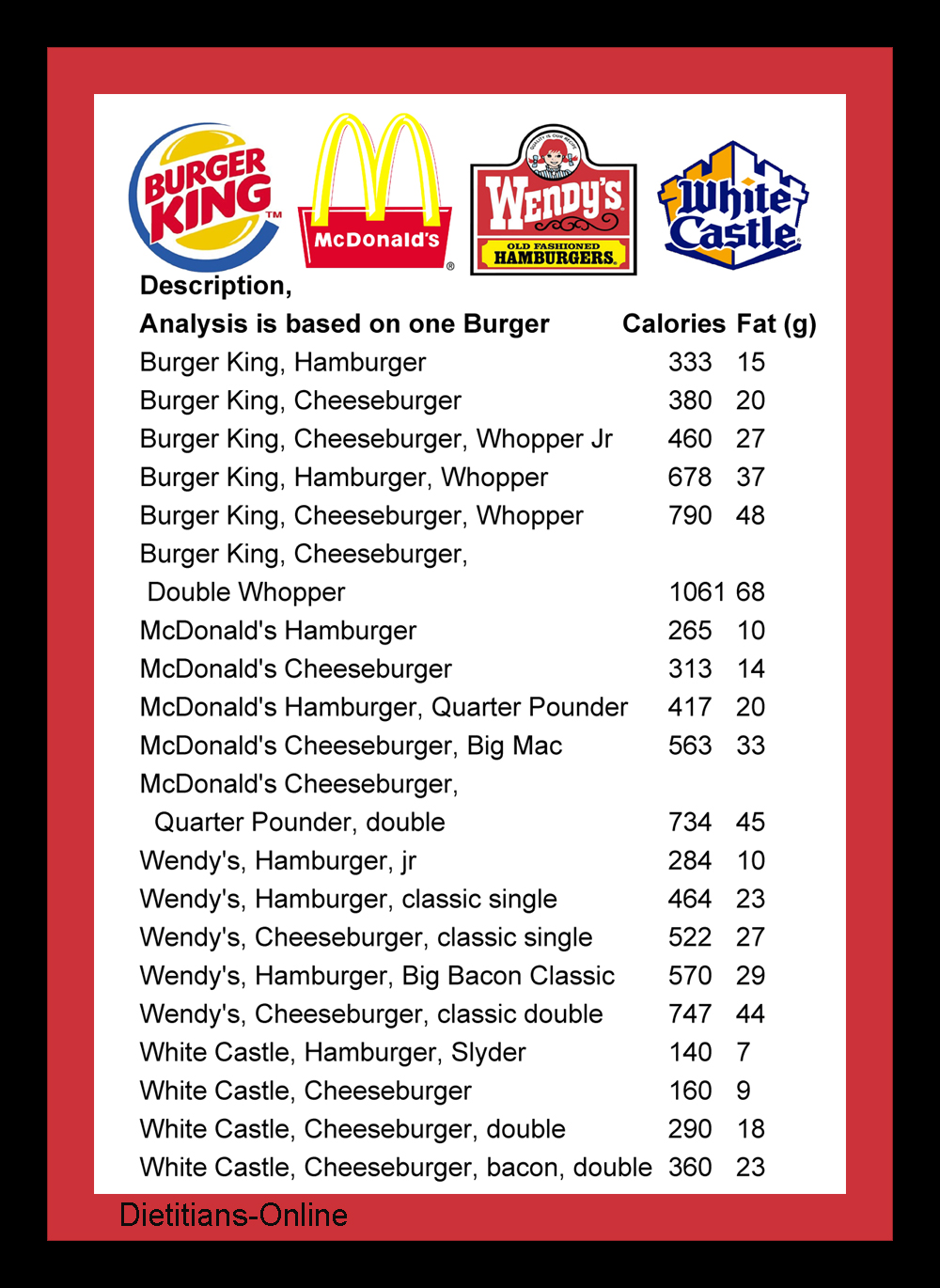
There are many variations of the burger. This article looks at the nutrition information of Fast Food Burgers, varieties, recipes, and food safety.


The Fast Food Burger
Burger Love Handles is a song written by Don MacLeod about his personal battle with being overweight. The song focuses on the fast-food burger as one of his difficulties in losing weight.


Many fast food items are high in Fat, Cholesterol, Saturated Fat, and Sodium and are Risk Factors associated with Heart Disease. However, the informed customer can make healthier choices at fast-food restaurants. Below is the nutrition information of some Fast Food Hamburgers. Calories range from 140 for a White Castle Slyder to 1061 calories for a Burger King Cheeseburger, Double Whopper.


Burger Variations
The variations of burgers are constantly changing and expanding to meet our personal preferences, cultural differences, and/or nutritional needs.

A burger is not just a ground beef patty served on a bun with numerous extras, such as tomatoes, lettuce, pickles, onions, jalapeno, cheese, ketchup, mayo, mustard, relish - the list is endless. Today, you can prepare or order a burger made from just about any food you can ground up and serve on a bun.

Some of the ground beef alternatives include:
Beans
Tofu
Seitan
Turkey
Chicken
Veal
Pork
Lamb
Bison
Deer
Seafood

In addition to the variations listed above, there are numerous variations based on the percent of fat in ground beef and ground poultry.


Recipes Using Alternatives to Ground Beef
Click the recipe title to obtain a copy of the recipe.

Black Bean Burgers. Courtesy Sandra Lee from Sandra's Money Saving Meals. This recipe is 302 Calories and 5 g Fat


Stuffed Turkey Burgers, Ellie Krieger, Show: Food Network Specials Episode. Calories 286 and 10 grams Fat.

Food Safety
Memorial Day is quickly approaching and many Americans will be using the Barbecue to prepare their favorite Burgers. It is extremely important to practice good food safety techniques.


US Dept of Agriculture experts are sharing advice
on food safety for barbecuing with
chefs from the US Army's "Grill Sergeants"

Dietitian Blog List