
References
EatWell, Healthy Scallop Recipes

Specializing in nutrition analysis, recipe, and menu development.


What I do as a Registered Dietitian Nutritionist… I
design recipes and menus with nutritional analysis for newspapers, magazines, and cookbook publishers. For over 40 years, I’ve loved being a Registered Dietitian
Nutritionist.


Don’t Judge Produce by Its Cover: Nutritious, Delicious, and Beautifully Unique
When you think of fresh produce, you likely picture pristine, uniform fruits and vegetables displayed neatly at the grocery store. But have you ever considered the fate of those that don’t meet these strict aesthetic standards? Enter ugly produce—a term that challenges our perception of beauty in food while addressing a major issue: food waste.

What is Ugly Produce?
Definition:
Ugly produce refers to fruits and vegetables deemed cosmetically imperfect due to irregular shapes, discoloration, blemishes, or scarring. While they may not look perfect, they are just as nutritious and delicious as their traditionally “ideal” counterparts.
Reasons for "Ugliness":
Shape: Misshapen, asymmetrical, or odd-looking produce.
Scarring: Natural surface blemishes or growth marks.
Discoloration: Unusual or uneven color variations.
Some common examples of ugly produce include:
🍅 Lumpy tomatoes
🍑 Misshapen peaches
🥕 Twisted carrots
🍠 Triple sweet potatoes
🍓 Oddly shaped strawberries
Looks can be deceiving! Ugly produce is just as nutrient-rich as “perfect” produce, containing the same vitamins, minerals, and antioxidants. Their appearance does not impact their taste or health benefits in any way. In fact, some argue that these less uniform fruits and vegetables may even be tastier due to their natural growth patterns.
Did you know that up to 20% of fruits and vegetables are discarded because they don’t meet cosmetic standards? This leads to millions of pounds of edible food being wasted each year. Food waste is a significant environmental issue, contributing to excessive land, water, and energy use, as well as increased greenhouse gas emissions.
By embracing ugly produce, we can:
Reduce food waste and lessen its environmental impact.
Support farmers by giving them a market for all their crops.
Make fresh produce more affordable by purchasing discounted imperfect fruits and vegetables.
The ugly produce movement aims to rescue and redistribute fruits and vegetables that would otherwise be discarded. Many companies and initiatives have emerged to make these products accessible to consumers while promoting sustainable practices.
Imperfect Foods
Misfits Market
Hungry Harvest
These companies specialize in sourcing imperfect produce directly from farms and delivering it to consumers, often through subscription boxes. By purchasing from them, consumers help reduce waste while enjoying fresh and affordable fruits and vegetables.
✔️ Reduced Food Waste: Less discarded produce means a smaller carbon footprint.
✔️ Sustainable Practices: Many ugly produce suppliers work directly with farmers and use minimal packaging.
✔️ Affordable Produce: Ugly produce is often sold at lower prices, making fresh fruits and vegetables more accessible.
While the movement has many benefits, some critics argue that not all ugly produce should be redirected to consumers. Some may be better suited for animal feed, composting, or processing into other food products like sauces or juices. A holistic approach to food waste would incorporate all these solutions.
Next time you shop for produce, consider giving ugly fruits and vegetables a chance. Whether it’s a knobby carrot, a curvy eggplant, or a perfectly imperfect peach, each one is a testament to nature’s diversity. By supporting the ugly produce movement, you’re making a sustainable choice and discovering some of the most delicious, unique, and affordable foods available.
Let’s redefine beauty in food—one oddly shaped vegetable at a time!

At their core, meatballs are made by mixing ground meat, breadcrumbs, minced onion, eggs, butter, and seasonings, shaping them into balls, and cooking them by frying, baking, steaming, or braising. While many meatballs are made with beef, pork, chicken, fish, or even game meats, plant-based options using lentils, mushrooms, or chickpeas are also popular for a vegetarian twist.
Italian Meatballs (Polpette) – These rich, herby meatballs are often served in a hearty tomato sauce with pasta or crusty bread. Unlike American-style meatballs, Italian polpette are sometimes eaten as a standalone dish rather than over spaghetti.
Swedish Meatballs – Made with a blend of pork and beef, these tender meatballs are served in a creamy, savory gravy with lingonberry jam and mashed potatoes. They’re a staple of Nordic cuisine and are famously found in IKEA cafés worldwide!
Turkish Köfte – These spiced, grilled, or pan-fried meatballs are a street food favorite in Turkey. They're often made with lamb or beef and served with rice, pita, or yogurt sauce.
Lion’s Head Meatballs – A Chinese delicacy, these oversized, tender pork meatballs are slow-cooked in a flavorful broth and served with steamed bok choy.
Indian Malai Kofta – Unlike traditional meat-based meatballs, malai kofta is a vegetarian delight made with paneer (Indian cheese) and potatoes and served in a rich, spiced tomato-cream sauce.
Meatballs can be served in countless ways:
🍝 Over pasta with a rich tomato or creamy sauce.
🍛 With rice or flatbread, accompanied by flavorful spices.
🥣 In soups or broths, adding depth and texture.
🥪 In a sandwich or sub, packed with melted cheese.
With a history that spans centuries, meatballs remain a staple in kitchens worldwide. Whether you're enjoying a plate of Italian polpette, Swedish köttbullar, or Turkish köfte, meatballs showcase the beauty of cultural diversity and how food connects us all.
Next time you’re in the kitchen, why not try making your own version of meatballs inspired by flavors from around the world?
Recipes
Healthy Meatball recipes, EatingWell


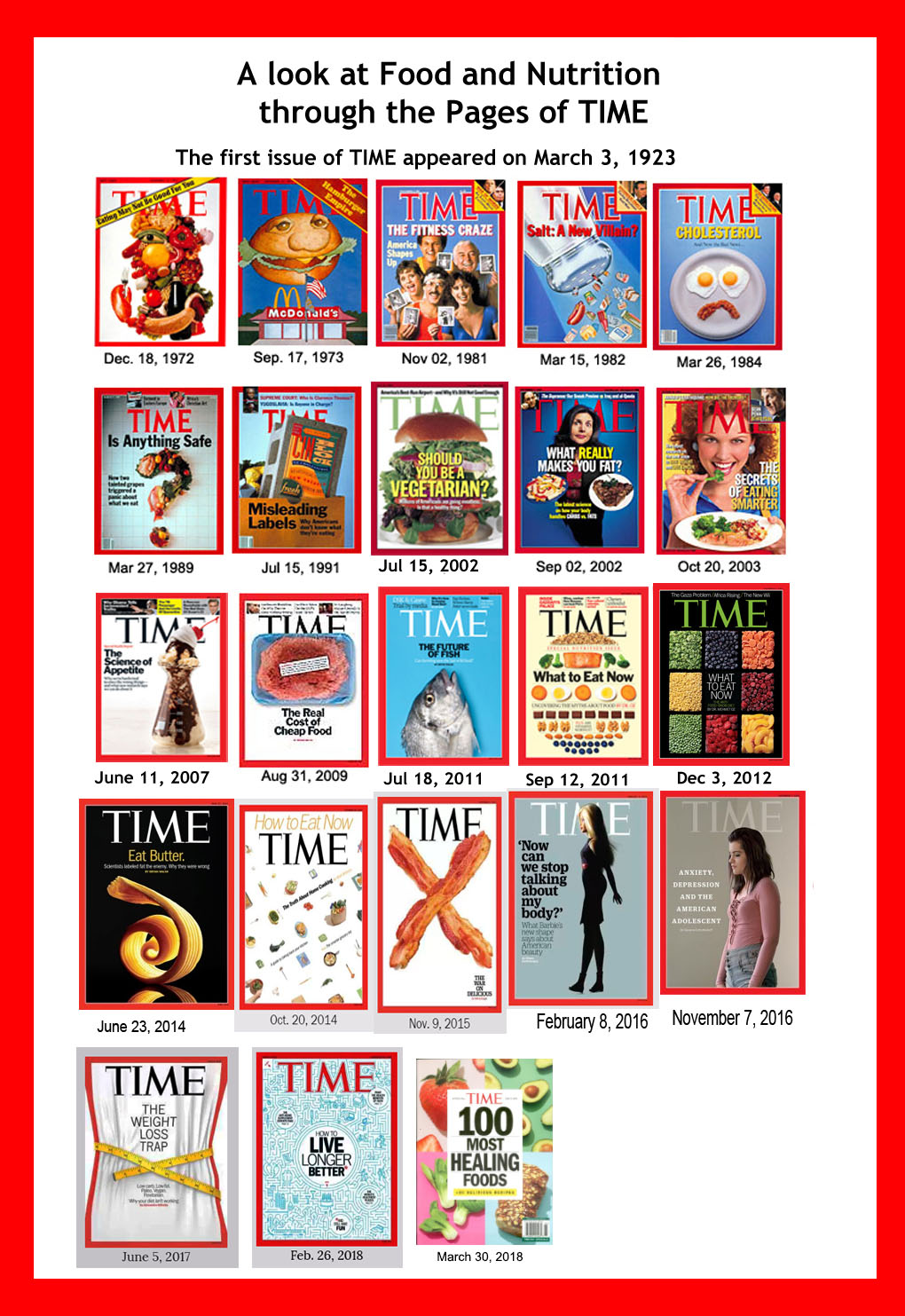


Mar 18, 2020, How to Stay Physically and Mentally Healthy While COVID-19 Has You Stuck at Home
Apr 28, 2020, Our Diets Are Changing Because of the Coronavirus Pandemic. Is It for the Better?
Aug 26, 2020, How Growing Food Can Change Your
Life, According to Gardener Ron Finley
Jan 20, 2023. Time You Eat Doesn't Matter For Weight Loss, Study Finds. A new study finds that what time you eat meals doesn't matter for weight loss—what's important is the amount you eat.
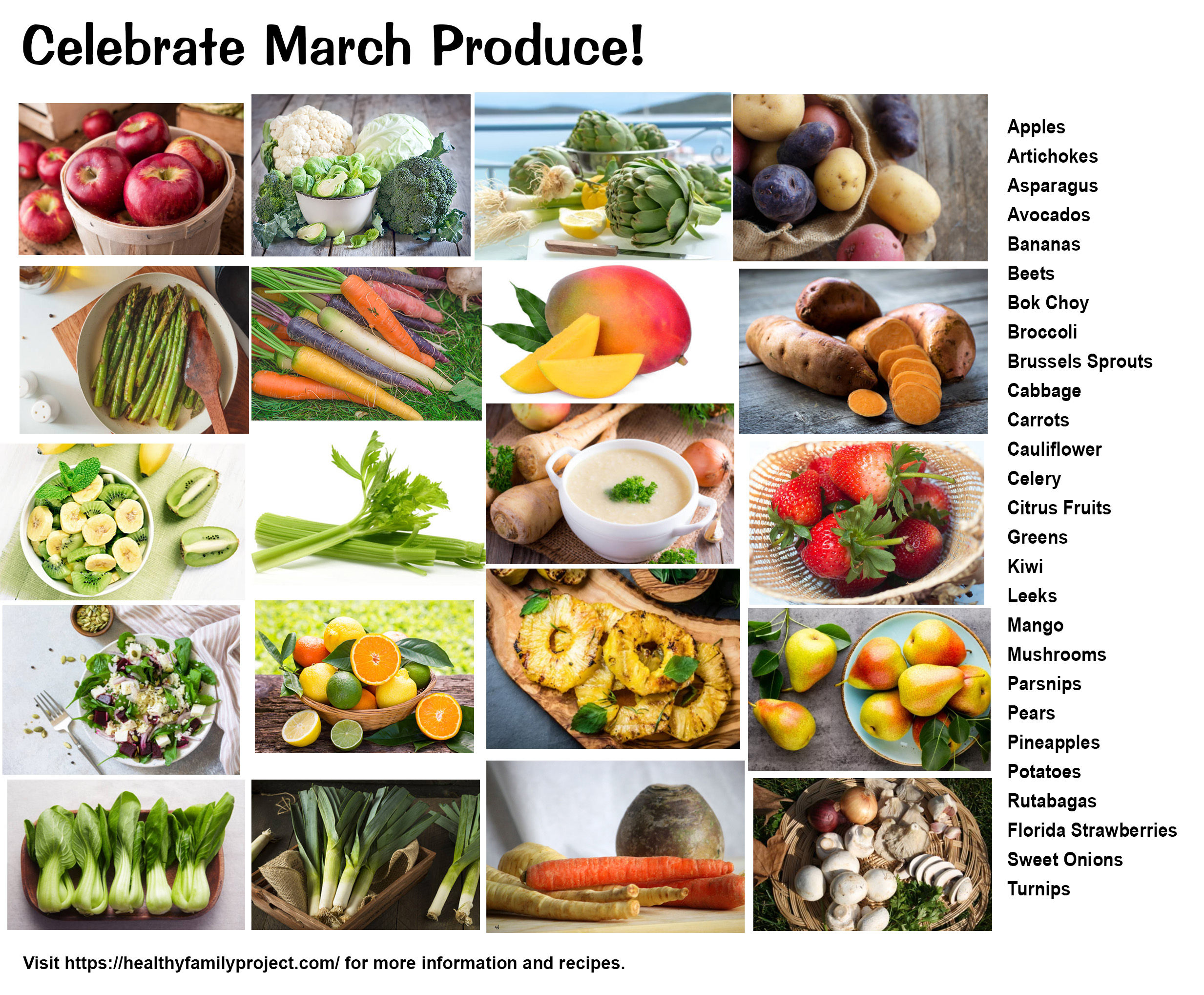
March Produce, Fruits and Veggies in peak season. @Healthyfamprj https://www.produceforkids.com/whats-in-season-for-march/

March is National Nutrition Month, and this year’s theme, “The Power of Nutrition,” reminds us that food is more than fuel. Nutrition shapes our health, our energy, our growth, and even our relationships. What we eat matters—but how and with whom we eat matters too.
At its core, the power of nutrition lies in balance, variety, and connection.
Nutrition supports every system in the body: immunity, growth, brain function, digestion, heart health, and aging. The true power of nutrition comes from balance and variety, not restriction or perfection. Each food group delivers specific nutrients that work best when eaten together.
Fruits and vegetables provide essential vitamins and protective compounds that support immune health, digestion, heart health, vision, and disease prevention. Fiber supports gut health and fullness, while antioxidants help protect cells from damage.
Power tip: A colorful plate delivers a wider range of protective nutrients.

Key nutrients:
Carbohydrates, fiber, B vitamins, iron, magnesium
Grains are the body’s primary energy source. Whole grains help regulate blood sugar, support digestive health, and provide long-lasting fuel for the brain and muscles.
Power tip: Choose whole grains often for sustained energy and fullness.

Key nutrients:
Protein, iron, zinc, vitamin B12, magnesium, and omega-3 fatty acids
Protein foods help build and repair muscles, bones, skin, and tissues. Including a variety of protein sources—such as beans, lentils, seafood, eggs, poultry, nuts, and seeds—supports heart health and nutrient diversity.
Power tip: Mixing plant and animal proteins strengthens nutrition and flexibility.

Key nutrients:
Calcium, vitamin D, protein, potassium, and vitamin B12
These foods support bone density, muscle function, and nerve signaling. Adequate intake is essential during childhood, adolescence, menopause, and older adulthood.
Power tip: Strong bones support mobility and independence across the lifespan.

Key nutrients:
Healthy fats (monounsaturated and polyunsaturated), omega-3 fatty acids, and vitamin E
Healthy fats help absorb fat-soluble vitamins, support brain function, reduce inflammation, and protect heart health.
Power tip: Healthy fats improve satisfaction and nutrient absorption at meals.

Nutrition isn’t only about nutrients—it’s about connection. Shared meals encourage balanced eating, expose children to a variety of foods, and strengthen family and community bonds.
Research shows that eating together is linked to:
Better diet quality
Healthier eating habits in children
Improved mental well-being
Reduced stress and stronger social connections
Whether it’s a family dinner, lunch with friends, or an intergenerational meal, eating together enhances the power of nutrition.

You don’t need to eat perfectly to eat powerfully.
Include foods from multiple food groups at meals
Add one more fruit or vegetable each day
Choose whole grains more often
Enjoy a variety of protein sources
Make time for shared meals—simple counts
The power of nutrition comes from nutrients working together, balanced meals, and shared experiences around food. This National Nutrition Month, celebrate food as fuel, food as culture, and food as connection—because nutrition is most powerful when it nourishes both body and community.


