Friday, June 6, 2025

World Food Safety Day


World Food Safety Day is an initiative developed by the Food and Agriculture Organization of the United Nations (FAO) and the World Health Organization (WHO), which manages a Joint Food Standards Programme, the Codex Alimentarius Commission.
The Partnership for Food Safety Education (PFSE) supports U.S.-based health and food safety educators with resources to promote World Food Safety Day in their communities. 


Thursday, June 5, 2025

June 5, United Nations World Environment Day


Small Changes Make a Big Difference

World Environment Day (WED) stimulates awareness of the environment and enhances political attention and public action. It was established by the United Nations General Assembly in 1972. Every year, a different city hosts World Environment Day with a different theme.

WED Mission: To provide leadership and encourage partnership in caring for the environment by inspiring, informing, and enabling nations and peoples to improve their quality of life without compromising that of future generations.

"Remember that it is people who propel social progress, develop science and technology, and, through their hard work, continuously transform the human environment. We are both creatures and molders of our environment."

These words are spoken directly from the 1972 Declaration on the Human Environment, adopted by the #UnitedNations Conference on the Human Environment, Stockholm, 16 June 1972.


Wednesday, June 4, 2025

Cheeses from All Over the World

Cheeses from All Over the World


 Nutrition


Classic Sesame Street - How Cheese is Made


Tuesday, June 3, 2025

Egg Recipes from Around the World - Nutrition and Food Safety

Egg Recipes from Around the World

History
The history of National Egg Day is related to a poultry plague that occurred around 45 A.D. When the poultry and eggs were safe, the emperor issued a royal proclamation to the Roman people, dedicating the third day of June as the Holy Roman Day of Eggs.


Recipes.
1. A Celebration of Egg Dishes from Around the World, Egg Farmers of Canada
2. Egg Recipes from Around the World. Skill Share


Vegetable Cheese Egg White Omelet


Egg Whites filled with Diced Tomatoes,
Zucchini and Feta Cheese

Ingredients
1 Egg White, cut in half
1/2 cup Diced Tomatoes
1/3 cup Diced Zucchini
1/3 ounce Feta Cheese


Let's Talk about Safely Handling
and Preparing Eggs


Monday, June 2, 2025

June 2, MyPlate Birthday

MyPlate is a reminder to find your healthy eating style and build it throughout your lifetime. Everything you eat and drink matters. The right mix can help you be healthier now and in the future. This means:

  • Focus on variety, amount, and nutrition.

  • Choose foods and beverages with less saturated fat, sodium, and added sugars.

  • Start with small changes to build healthier eating styles.

  • Support healthy eating for everyone.

Eating healthy is a journey shaped by many factors, including our stage of life, situations, preferences, access to food, culture, traditions, and the personal decisions we make over time. All your food and beverage choices count. MyPlate offers ideas and tips to help you create a healthier eating style that meets your individual needs and improves your health.

MyPlate was launched on June 2, 2011.


Sunday, June 1, 2025

June is National Dairy Month


Every Age Needs the Nutrients Found in Dairy


A Tribute to the Dairy Industry:

From the Cow and the Farmer to Your Kitchen Table.


Milk, cheese, and yogurt play a critical role in the diets of adults and children by providing essential nutrients. Drinking one cup of milk can help you meet the Dietary Guidelines for Americans’ recommended three servings of daily low-fat or fat-free milk or milk products.

One cup (8-ounce) serving of milk provides the following nutrients: (Information based on one cup of fat-free white milk)

Calcium provides 30% of the Daily Value. It helps build and maintain bones and teeth, and it plays a role in nerve function, muscle contraction, and blood clotting.

Vitamin D provides about 25% of the Daily Value. Vitamin D helps promote the absorption of calcium and enhances bone mineralization.

Protein provides about 16% of the Daily Value and essential amino acids. Protein builds and repairs muscle tissue and is a source of energy during intense physical activities.

Vitamin B12 provides about 22% of the Daily Value. Vitamin B12 helps build red blood cells that carry oxygen from the lungs to the muscles.

Riboflavin (Vitamin B2), provides about 26% of the Daily Value. Riboflavin helps convert food into energy. It is also involved in exercising muscles.

Phosphorus provides about 25% of the Daily Value. Phosphorus helps strengthen bones.


Easy to Prepare Snacks


National Dairy Council

The National Dairy Council provides user-friendly nutrition education materials. It advocates healthy living and is committed to our communities and health care needs. 

National Dairy Council® (NDC) is the nutrition research, education and communications arm of Dairy Management Inc™. On behalf of U.S. dairy farmers, NDC provides science-based nutrition information to, and in collaboration with, a variety of stakeholders committed to fostering a healthier society, including health professionals, educators, school nutrition directors, academia, industry, consumers, and media.

Established in 1915, NDC is comprised of a staff of nutrition science researchers, registered dietitians and communications experts dedicated to educating the public on the health benefits of consuming milk and milk products throughout a person’s lifespan. In addition, NDC funds independent research to aid in the ongoing discovery of information about dairy foods’ important role in a healthy lifestyle. This research provides insights to the industry for new dairy product innovations.

In partnership with its network of state and regional dairy councils, NDC disseminates nutrition programs, materials and research to support government recommendations for improved nutrition for Americans, including consumption of at least three servings of low-fat or fat-free milk and milk products a day.


3-Every-Day™, a Dairy Promotion. Consuming 3-Every-Day™ of Dairy – three daily servings of milk, cheese, or yogurt is an easy way for families to get a powerful punch of nutrients to help build stronger bones and healthy bodies and reduce the risk of osteoporosis. In addition, a growing body of research suggests that enjoying three servings of dairy foods a day as part of a nutrient-rich, balanced diet may help maintain a healthy weight.

American Dairy Association of Indiana's
 Every Single Day TV Spot.


Fuel Up to Play 60 is an in-school nutrition and physical activity program launched by National Dairy Council (NDC) and National Football League, in collaboration with the United States Department of Agriculture (USDA). The program encourages youth to consume nutrient-rich foods (low-fat and fat-free dairy, fruits, vegetables, and whole grains) and achieve 60 minutes of physical activity every day. Visit the Fuel Up to Play 60 website to learn more.


Lactose Intolerance.
National Dairy Council, Lactose Intolerance 


 Celebrating America's Dairy Industry


Messages from the Dairy Councils and Associations
American Dairy Farmers, 1990’s


Maine Dairy and Nutrition Council


Sponsored by the American Dairy Farmers

Tribute to the Dairy Advertisers.

I’m not sure who gets the credit for the Cow Tap Dancing,
but the Message is Milk gets you swinging again.


Thursday, May 29, 2025

Gardening: Updates 2025

May 29, 2025
Garden Update:  Tour our little paradise! We’re growing mango, cashew, fig, blueberries, grapes, olives, avocado, lime, orange, soursop, as well as cabbage, tomatoes, onions, garlic, potatoes, and sweet potatoes. Fresh, homegrown, and thriving!


January 22, 2025


Learn About Composting Day

Composting Basics


Why Should You Compost?

Composting not only benefits the environment by breaking down organic materials and transforming them into rich, fertilizing soil… composting is also:
  • When you invest a little time learning to compost, it’s all yours, for free.
  • Fun for the children. 
  • Composting reduces household trash. 
  • It’s hard to mess up.


Basic Supplies Needed for Composting

You’ll need a pail for the kitchen to collect scraps, a composting bin (if you’re using one), or a spot in the yard for a pile.

Worm Composter

Some people choose to use earthworms to help speed up the composting process in a worm composting bin. This is done by adding kitchen scraps, dried leaves, etc., and allowing the worms to digest the organic material as it passes through their bodies while they move around.

If you have a compost pile in the yard, earthworms will usually find their way to it naturally.

Composting Tumbler

A composting tumbler is a handy bin with a handle that you can turn by cranking the handle around. These are helpful for people with limited space, and they tend not to smell or attract insects.


How to Start Composting
  1. Pick a spot for your pail. Tell your family the plan. 
  2. Pick a spot for your pile or composting bin. You want it to be close enough to the house. 

What to Compost
Kitchen waste. Mainly produce trimmings 
Coffee grounds
Teabags
Grass clippings and Dead leaves
Straw
Sawdust
Garden waste

Do Not Compost the following:
Meat or bones
Leftovers that are not plant-based
Branches or stalks 
Garden waste treated with pesticides or chemical fertilizer
Weeds and Diseased plant material

Method for Composting
  1. Start collecting compostable material and add it to your pile.
  2. Empty your pail into the pile (or bin) daily. It’s the perfect chore for children.
  3. Turn your compost pile. Every month or so, grab your pitchfork or a shovel and mix your pile up a bit. Helps speed up the decomposition process and keeps away any unwanted pests. 
  4. When you don’t see any more recognizable scraps, the compost is ready to be used.
  5. Harvest your finished compost from the bottom of your pile (or bin) once or twice a year. Whatever is not ready put it back into the pile to continue breaking down.
  6. Spread finished compost on the garden beds or containers. 
Note: Do not bring fresh compost into the house since it may contain outside critters.

Potential Problems with Composting
  • Smell. If your pile starts to stink, just give it a quick turn and add some grass clippings or leaves if available.
  • Insects. Wash out the kitchen pail about every other day.
  • Animals. Use an animal-resistant bin or turn your pile more regularly.

How Long Does it Take to Compost?

Different organic materials take different lengths of time to transform into compost. Food scraps are quicker than twigs or sticks. Paper from coffee filters or tea bags takes longer than organic materials. The bottom of the pile or bin will transform first, so it is important to turn the pile monthly.

Composting as an accompaniment to gardening is a worthwhile routine and fun for the whole family.

Wednesday, May 28, 2025

Stay Cool, Stay Hydrated: Beat the Heat! - Heat Safety Awareness

Stay Cool, Stay Hydrated: Beat the Heat!


Heat Safety Awareness 
Resources.
1. National Weather Service
2. Academy of Nutrition and Dietetics, Hydrate Right

Heat is one of the leading weather-related killers in the United States, resulting in hundreds of fatalities each year. Heat-related illnesses can occur when the body’s temperature rises too quickly for it to cool itself properly, or when excessive fluid or salt loss occurs through dehydration, excessive urination, or sweating.

Heat-related illnesses can range from cramps to heat exhaustion to heatstroke. Heatstroke can result in death and requires immediate medical attention.


At-Risk

Factors or conditions making some individuals more susceptible to heat-related illnesses include older adults, young children, the physically disabled, excessive body weight, fever, heart disease, mental illness, poor circulation, prescription medication, alcohol use, and sunburn.


Stay Hydrated

Drink plenty of water, as well as non-alcoholic and decaffeinated fluids. Our body needs water to keep cool. Individuals on fluid-restrictive diets or those with fluid retention issues should consult a physician before increasing their fluid intake. Limit caffeinated beverages and avoid drinking alcoholic beverages. 

Staying hydrated is important, especially when the temperature rises or during increased physical activity. Try these easy ways to increase your fluid intake:

1. Carry a reusable water bottle. Keep it full.
2. Add flavor to your water with slices of lemon, lime, cucumber, or strawberries. Herbal iced teas can be a great way to increase your fluid intake.
3. Eat fruit or popsicles. You can get fluids from the foods you eat. Watermelon and cantaloupe have high water content. A 100% fruit juice pop provides fluids and is refreshing on a hot day.
4. Plan ahead. If you plan to be outside at a picnic or ball game, be sure to pack plenty of fluids.


Never Leave Children, Disabled Individuals
Or Pets in Parked Vehicles

Each year, children and pets left in parked cars die from hyperthermia. Hyperthermia is an acute condition that occurs when the body absorbs more heat than it can dissipate. Studies have shown temperatures inside a parked vehicle can rapidly rise to a dangerous level for children, pets, and even adults. Leaving the windows slightly open does not significantly decrease the heating rate. The effects can be more severe in children because their bodies warm up at a faster rate than those of adults.


PBSO demonstrates dangers of heat inside a car


Monday, May 26, 2025

National Hamburger Day
Fast Foods, Varieties, Recipes and Safety


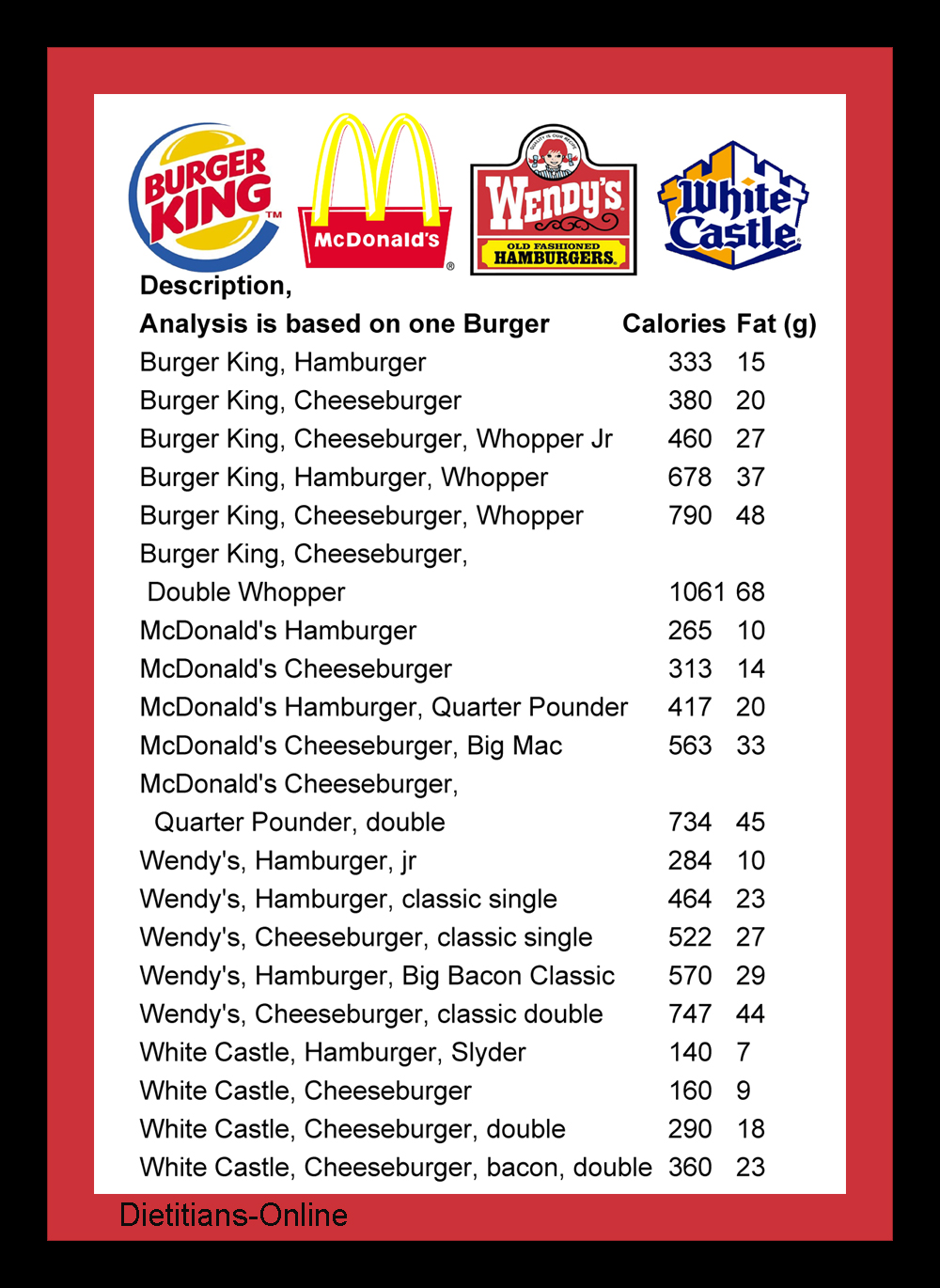
There are many variations of the burger. This article looks at the nutrition information of Fast Food Burgers, varieties, recipes, and food safety.


The Fast Food Burger
Burger Love Handles is a song written by Don MacLeod about his personal battle with being overweight. The song focuses on the fast-food burger as one of his difficulties in losing weight.


Many fast food items are high in Fat, Cholesterol, Saturated Fat, and Sodium and are Risk Factors associated with Heart Disease. However, the informed customer can make healthier choices at fast-food restaurants. Below is the nutrition information of some Fast Food Hamburgers. Calories range from 140 for a White Castle Slyder to 1061 calories for a Burger King Cheeseburger, Double Whopper.


Burger Variations
The variations of burgers are constantly changing and expanding to meet our personal preferences, cultural differences, and/or nutritional needs.

A burger is not just a ground beef patty served on a bun with numerous extras, such as tomatoes, lettuce, pickles, onions, jalapeno, cheese, ketchup, mayo, mustard, relish - the list is endless. Today, you can prepare or order a burger made from just about any food you can ground up and serve on a bun.

Some of the ground beef alternatives include:
Beans
Tofu
Seitan
Turkey
Chicken
Veal
Pork
Lamb
Bison
Deer
Seafood

In addition to the variations listed above, there are numerous variations based on the percent of fat in ground beef and ground poultry.


Recipes Using Alternatives to Ground Beef
Click the recipe title to obtain a copy of the recipe.

Black Bean Burgers. Courtesy Sandra Lee from Sandra's Money Saving Meals. This recipe is 302 Calories and 5 g Fat


Stuffed Turkey Burgers, Ellie Krieger, Show: Food Network Specials Episode. Calories 286 and 10 grams Fat.

Food Safety
Memorial Day is quickly approaching and many Americans will be using the Barbecue to prepare their favorite Burgers. It is extremely important to practice good food safety techniques.


US Dept of Agriculture experts are sharing advice
on food safety for barbecuing with
chefs from the US Army's "Grill Sergeants"

Tuesday, May 20, 2025

Celebrate Quiche Lorraine Day with Mexican Quiche


Mexican Quiche

Ingredients
1 refrigerated pie crust
6 ounces cheddar cheese, shredded
1 (10-ounce) can tomatoes and green chilies, drained
1 (4 ounces) can diced green chilies, drained
2 ounces diced black olives (canned)
3 eggs
1 cup sour cream
1⁄2 teaspoon chili powder
1⁄2 teaspoon paprika
1⁄4 teaspoon cumin
1⁄8 teaspoon cayenne pepper
1⁄8 teaspoon garlic powder

Directions
1. Arrange the pie crust in a pie plate.
2. Sprinkle shredded cheddar evenly over the bottom of the crust.
3. Spread drained tomatoes/chilis and green chilis over cheese. Sprinkle olives over top.
4. Mix eggs, sour cream, chili powder, paprika, cumin, cayenne, and garlic powder until well mixed. Pour over mixture in pie crust.
5. Bake at 375 for 50 minutes, until firmly set. Allow to sit 5 minutes before serving.

Nutrition Information

Serving size: 1 slice (1/8 pie): 273 calories; 14 g fat (6 g sat); 3 g fiber; 26 g carbohydrates; 11 g protein; 113 mg cholesterol; 5 g sugars; 0 g added sugars; 120 mg calcium; 3 mg iron; 335 mg sodium


Saturday, May 17, 2025

Celebrate Walnuts - National Walnut Day

Walnuts are used for food after being processed, either green for pickled walnuts or after full ripening for nutmeat. They are nutrient-dense, with protein and essential fatty acids.


Nutrient Profile


Adding Walnuts to your Diet
1. Walnut meats are available in two forms; in their shells or shelled. The meats may be whole, halved, or in smaller portions due to processing.
2. Walnuts are often candied and may be used as an ingredient in other foodstuffs.
3. Pickled walnuts are the whole fruit that can be savory or sweet depending on the preserving solution.
4. Walnut butter can be homemade or purchased in both raw and roasted forms.
5. All walnuts can be eaten on their own (raw, toasted, or pickled) or as
6. Walnuts can be added to muesli
7. Add to oatmeal
8. Add crunch to a salad
9. Mix into a vegetable stir-fry for extra protein.
10. Popular in brownie recipes

Walnut oil is available commercially and is chiefly used as a food ingredient, particularly in salad dressings. Its low smoke point limits its use for frying.

More than 99% of the walnuts in the U.S. are grown in California’s Central Valley. Internationally, California walnuts supply three-quarters of the world’s walnut trade.

Walnuts positively impact heart health and may also improve cognitive function.


Recipe
Beet, Goat Cheese and Walnut Salad, California Walnut  


References
1. Walnut, Wikipedia  
2. California Walnut, Resources, and Recipes  


Tuesday, May 13, 2025

National Hummus Day - Recipes and Nutrition Profile

Hummus versus Mayonnaise
If you use one Tablespoon of Hummus,
instead of one Tablespoon of Mayonnaise
You will save 74 calories!


Recipes

Hummus with Peppers and Cucumbers Wrap

Camera f/6.3; 1/100; ISO 100; light - natural. Nutrition Info. 131 Calories; 5g Protein; 12g Carbohydrates; 4g Dietary Fiber; 4g Total Sugars; 5g Fat; 0 mg Cholesterol; 446 IU Vitamin A; 96mg Vitamin C; 206mg Sodium


Hummus and Lentil Pizza


Ingredients.‎


1/2 sandwich thin
1 Tbsp Hummus
2 Tbsp Caponata (diced eggplant with sun-dried tomatoes
1/2 oz Goat Cheese
2 Tbsp Lentil Salad

Nutrition Information.
165 Calories; 7 g Protein; 19 g Carbohydrates; 3 g Dietary Fiber; 9 g Fat
6 mg Cholesterol

Perfect for breakfast, snack or a light lunch.


Dietitian Blog List