Sunday, February 23, 2025

Homemade Banana Mango Bread

 Homemade Banana Mango Bread

Yield. 1 loaf, about 10 slices
Pan size. 
8 1/2- by 4 1/2-inch loaf pan


Ingredients
1 1/2 cups all-purpose flour
1 teaspoon baking soda
1/4 teaspoon salt
3/4 teaspoon ground cinnamon
2 medium bananas, heavily speckled (about 1 1/2 cups mashed)
8 tablespoons vegetable oil
3/4 cup packed light brown sugar
2 large eggs, lightly beaten
1 teaspoon vanilla extract
1 ripe mango, sliced into chunks

Directions 
1. Center a rack in the oven and heat to 350 degrees F. Use a non-stick spray or margarine and flour a loaf pan.
2. Place on a baking sheet.
3. Whisk the flour, baking soda, salt, and cinnamon together, set aside. In the bottom of a medium bowl, mash bananas into a chunky paste. Whisk the oil, brown sugar, eggs, and vanilla into the bananas until blended.
4. Switch to a large rubber spatula. Scrape the sides and bottom of the bowl then add the dry ingredients in 3 parts, stirring gently until they disappear and the batter is smooth. 
5. Stir in mango.
6. Pour batter into the pan and smooth the top. Bake 55 to 75 minutes, or until a knife inserted into the center of the bread comes out clean.
7. After 30 minutes in the oven, check the bread for color. If it looks like it is browning too quickly, loosely cover with aluminum foil.
8. When the bread is done, transfer it, in the pan, to a wire rack to cool for 5 minutes. Unmold the bread and place right side up on the rack. Cool completely.

Nutrition Profile
Analysis based on 1 slice
264 Calories (kcal) 
4 Protein (g)
36 Carbohydrates (g)
2 Total Dietary Fiber (g) 
18 Total Sugars (g) 
11 Added Sugar (g) 
12 Fat (g) 
1 Saturated Fat (g)  
37 Cholesterol (mg)  
169 Potassium (mg) 
200 Sodium (mg) 


Tuesday, February 18, 2025

Dive into the World of Cherries

About seventy percent of the cherries produced in the United States come from Washington, Oregon, Idaho, and Utah. There are two main types of cherries: sweet and sour. Sour cherries are lower in calories and higher in vitamin C and beta-carotene than sweet cherries.


Selection
Select firm, red cherries with stems attached. Avoid soft, shriveled, or blemished cherries. Good cherries should be large (one inch or more in diameter), glossy, plump, hard, and dark-colored for their variety. Avoid fruit that is bruised or has cuts on the dark surface.

How to Store
Refrigerate cherries for up to 10 days.

Nutrition Benefits
Fat-free, saturated fat-free, sodium-free, cholesterol-free, good source of vitamin C and potassium.

Health Benefits

Cancer
Sweet cherries have several cancer-preventive components, including fiber, vitamin C, carotenoids, and anthocyanins. The potential role of sweet cherries in cancer prevention lies mostly in the anthocyanin content, especially in cyanidin. Sweet cherries are a good source of cyanidins, which act as antioxidants and may reduce cancer risk.


Cardiovascular Disease
Sweet cherries have been shown to have significant levels of anthocyanins and other pigments in perhaps smaller concentrations that provide synergistic effects thought to be protective of the heart and related vascular tissue.

Diabetes
Researchers are interested in the role of anthocyanins in reducing insulin resistance and glucose intolerance. The lower glycemic response shown in relation to cherry consumption may result from the glucose-lowering effects of cherry phytochemicals in combination with the fiber content of cherries.


Potassium
Sweet cherries are considered a good source of dietary potassium, with approximately 260 mg of potassium for every cup of fresh cherries consumed. Adequate potassium intake has been shown to reduce the risk of hypertension and stroke.

Quercetin
Sweet cherries also contain a small amount of quercetin. Quercetin is an antioxidant that may play a beneficial role in reducing the risk of cardiovascular disease, hypertension, and cancer.

Melatonin
Cherries are one plant food source of melatonin. Melatonin is a hormone that plays a role in promoting healthy sleep patterns.

Ease muscle soreness
Researchers believe tart cherries’ antioxidants protect against exercise-induced free radicals, which can lead to painful inflammation.

Gout
Cherries may help reduce the swelling, inflammation, and tenderness associated with gout. Research reveals eating about 2 cups fresh sweet Bing cherries daily lowered uric acid levels by 15%.


Recipes

1. Health, Health Benefits of Cherries
2. Better Homes and Gardens, Healthy Cherry Recipes
3. The Greatest Table: 5 Healthy Cherry Recipes from Around the Web

4. The Cherry on Top: 8 Health Benefits of Cherries. HealthEssential, Cleveland Clinic


Resources
Fruits & Veggies - More Matters, Cherries & Heart Health


National Nutrition Month® 2024: Beyond the Table

Each year, I look forward to the theme chosen for National Nutrition Month®  by the Academy of Nutrition and Dietetics. The 2024 theme, "Beyond the Table," has especially sparked my curiosity. It encourages us to delve into our food journey before arriving at our tables. This theme urges us to reflect on the full lifecycle of food, from the seeds sown in the earth, through the hardworking farmers and ranchers who cultivate it, to the busy factories processing it, and finally to the colorful supermarkets and local farmers' markets where it's showcased.

It's an opportunity to acknowledge and appreciate the intricate web of connections and the hard work in bringing food to our tables, encouraging a deeper respect for our meals and the myriad hands that contribute to their creation. By delving into the stories behind our food, we can foster a more sustainable, informed, and grateful approach to eating and living.

The annual March campaign educates people about making wise food choices and establishing healthy eating and physical activity routines. During this month, the Academy disseminates press releases containing vital information for the media regarding various activities, highlighted messages, and special events, including RDN Day and NDTR Day, to underscore the campaign's significance.

The 2024 theme for National Nutrition Month® is
"Beyond the Table."


 "Beyond the Table" looks into the many factors that affect our food choices. This theme examines a range of influences, such as:

  •  Origins of Food: Understanding the source, farming practices, and food journey from farm to table. 
  • Cultural Significance: Recognizing how different cultures and traditions influence dietary choices and practices.
  • Environmental Impact: Consider the ecological footprint of food production and make environmentally conscious choices.
  • Mindful Eating: Focusing on the experience of eating, being present, and attentive to the body's hunger and satiety signals.
  • Nutritional Impact on Overall Well-being: Acknowledging how food choices affect physical, mental, and emotional health.
  • Access and Education: Highlighting the importance of access to nutritious food for all and educating people about healthy eating.

"Beyond the Table" thus emphasizes a broader view of nutrition, where food is seen as an integral part of a larger ecosystem, including its production, cultural context, environmental effects, and role in holistic well-being.

Registered Dietitian Nutritionist Day is also celebrated during National Nutrition Month®, on the second Wednesday in March. This occasion increases awareness of registered dietitian nutritionists as the indispensable providers of food and nutrition services while recognizing both RDNs and nutrition and dietetic technicians registered for their commitment to helping people enjoy healthy lives.


National Chili Day - Chili with Gorgonzola Cheese

Chili with Gorgonzola Cheese

Ingredients/Directions
1 cup Chili with Beans
1 Tablespoon Gorgonzola Cheese

Heat chili. Top with cheese.


Nutritional Analysis Services

Ensure accurate and cost-effective nutritional analysis for your recipes and menus utilizing an extensive research database. A great service for the Media, Cookbook Publishers, Writers, Chefs, Recipe Websites, and Blogs. Your readers will enjoy and benefit from the Nutrition information.

For more information, visit Dietitians-Online Nutritional Analysis Services

contact:
Sandra Frank, Ed.D, RDN, FAND
recipenews@gmail.com
954-294-6300


National Cook a Sweet Potato Day - Celebrate the Sweet Potato


Nutrition Information

Sweet Potatoes are high in vitamin A and vitamin C and a good source of dietary fiber and potassium. They are naturally fat-free, saturated fat-free, low sodium, and cholesterol-free.


How to Select
Choose firm, small- to medium-sized potatoes with smooth skin. Avoid cracks, soft spots, and blemishes.

How to Store
Store sweet potatoes in a cool, dark place for use within 3-5 weeks.


Top 9 Ways To Enjoy Sweet Potatoes

1. Bake, Roast, or Steam. Pick a cooking method and enjoy! Use whole, unpeeled sweet potatoes as a side dish to any meal.

2. Mash - Steam peeled sweet-potato chunks for about 10 minutes until tender, and mash with a dash of orange juice.

3. Top Your Salad. Sweet potatoes make sweet salad toppings. Combine diced sweet potatoes, pineapple tidbits, apples, celery, and cashews. Serve over salad greens

4. Sweet Potato Fries. Sweet potato fries make a delicious treat. Quarter sweet potatoes and drizzle with olive oil. Bake at 400 degrees for 40-60 minutes. For a spicy twist, add a dash of cayenne pepper.

5. Substitute sweet potatoes for white potatoes in your favorite potato salad recipe.

6. Grill - Slice sweet potatoes into thick ½ inch rounds and grill until lightly browned. Drizzle with lime juice.

7. Add a Twist to Your Sandwiches. Cut thin slices of cooked sweet potatoes and add to your favorite sandwich or wrap instead of tomatoes.

8. Drizzle and Eat - Dice cooked, peeled sweet potatoes and drizzle with maple syrup for a side dish.

9. A Healthy Snack. Try munching on sweet potato chips. Thinly slice a large sweet potato and brush lightly with olive oil. Bake at 350 degrees for 15 minutes or until lightly browned and crisp.


Resources
2. EatingWell, Healthy Sweet Potato Recipes
3. Sweet Potato Recipes, A Couple Cooks


Potato Lover's Month

 Potatoes are one of the vegetables in the nightshade (Solanaceae) family, which includes eggplant, tomatoes, and bell peppers. It is a starchy, tuberous crop. Potatoes are the world's fourth-largest food crop, following maize, wheat, and rice.


Nutrition


One medium potato (5.3 oz) with the skin contains:
110 Calories; Vitamin C (45 % DV); 620 mg potassium; Vitamin B6 (10 % DV); No Fat; No Sodium; No Cholesterol; and Trace amounts of thiamine, riboflavin, folate, magnesium, phosphorus, iron, and zinc. Potatoes also contain a variety of phytonutrients that have antioxidant activity. Among these important health-promoting compounds are carotenoids and flavonoids.

About 20% of the potato’s nutrition is found in the skin.  Most of the vitamin C and potassium are found in the potato’s flesh, but fiber is found in the skin.  That’s why it’s best to enjoy every part of the potato.

According to MyPlate, potatoes are vegetables.  It counts toward the total recommended servings of vegetables. One medium-sized potato (5.3 oz.) counts as 1 cup of starchy vegetables.


Recipe
Rose, Gold, and Purple Potato Salad


Ingredients
5 Small Round Potatoes: 
  1 Honey Gold 
  2 Enchanted Rose
  2 Purple Splendor
Dash Curry Powder
2 tsp Dijon Mustard

1 Tbsp Italian Dressing, fat-free

Directions
1. Roast potatoes and dice.
2. In a bowl, combine curry, mustard, and Italian dressing. Mix.
3. Add potatoes to the marinade and coat well.


Nutrition Information

Monday, February 17, 2025

From Cherries to Chowder, explore the Presidential Palate.


Every president has his favorite foods. And it doesn't take long for the nation to become captivated with a president's eating habits - with Ronald Reagan, it was jelly beans; Jimmy Carter munched peanuts; George W. Bush loved pretzels; Trump likes fatty fast foods, and Joe Biden delights in ice cream.


Sunday, February 16, 2025

Almonds: A Super Seed

Almonds: A Super Seed
Health Benefits of Almonds
 

Nutrition


Portion Control


Almond Safety
Almond pasteurization became mandatory for the California almond industry on September 1, 2007, and was implemented on a voluntary basis over the previous two years. All almonds must be pasteurized before being sold to consumers in North America.

Pasteurization
The Food and Drug Administration (FDA), along with a technical review panel comprised of almond scientific experts, is responsible for evaluating and approving the treatment processes that demonstrate effectiveness in achieving a reduction of possible contamination in almonds while not impacting their quality and sensory attributes. To date, FDA has approved oil roasting, dry roasting, blanching, steam processing, and propylene oxide (PPO) processes as acceptable forms of pasteurization for almonds. Organic almonds will be pasteurized using treatments, such as steam pasteurization, that meet the USDA Organic Program’s national standards. Other forms of pasteurization continue to be researched, evaluated and tested. ABC worked over several years with leading experts and weighed all perspectives and issues in developing this industry-wide pasteurization plan.


Recipe: Strawberry-Spinach-Almond Salad
Recipe by Southern Living
Nutrition Profile by @DietitianOnline 


Resources
Almonds, From Wikipedia

Monday, February 10, 2025

Pulses: Bringing diversity to agrifood systems

Celebrating World Pulses Day 2025:
Pulses - Bringing Diversity to Agrifood Systems


Every February 10th, the world comes together to celebrate World Pulses Day, a tribute to the humble yet mighty pulses that nourish people and the planet alike. Established by the United Nations in 2018, this special day has been dedicated to raising awareness about the significant role pulses play in promoting sustainable agriculture, food security, and healthy diets worldwide.


What Are Pulses?
Pulses, also known as legumes, are the edible seeds of leguminous plants cultivated for food. This diverse group includes dried beans, lentils, chickpeas, and peas, staples in cuisines worldwide. Whether it's creamy hummus from the Mediterranean, savory Indian dal, or baked navy beans in a traditional English breakfast, pulses are cherished for their versatility, taste, and nutritional value.

Why Are Pulses Important?

  1. Nutritional Powerhouses:
    Pulses are packed with essential nutrients, making them a vital source of protein, especially in regions where meat and dairy may be scarce or unaffordable. They are low in fat, rich in fiber, and loaded with vitamins and minerals like iron, potassium, and folate. Their high soluble fiber content helps manage cholesterol and blood sugar levels, reducing the risk of heart disease, diabetes, and obesity. Health organizations worldwide recommend pulses as part of a balanced diet to combat non-communicable diseases.

  2. Ensuring Food Security:
    For farmers, pulses are more than just crops—they are lifelines. They provide a dual benefit: farmers can sell them for income while consuming them for household nutrition. This dual role strengthens food security, fosters economic stability, and empowers communities, particularly in vulnerable regions.

  3. Environmental Champions:
    Pulses do more than nourish us; they also nourish the Earth. Thanks to their nitrogen-fixing properties, pulses naturally enrich the soil, reducing the need for synthetic fertilizers. This lowers greenhouse gas emissions and promotes healthier, more biodiverse farmland. Pulses thrive in diverse cropping systems, supporting intercropping and cover cropping practices that improve soil health and resilience against pests and diseases.

World Pulses Day 2025 Theme: "Pulses: Bringing Diversity to Agrifood Systems"
This year's theme highlights the multifaceted contributions of pulses to enhancing diversity—from the farm fields to our plates. Pulses promote above- and below-ground biodiversity, offering over 100 varieties for farmers to integrate into crop rotations. Thus, they boost resilience against climate change and agricultural challenges. Our diets provide a rich, affordable source of protein that can be transformed into countless delicious, nutritious dishes.

Get Involved: Discover, Share, Celebrate
Join the global celebration of World Pulses Day by learning more about these remarkable crops. Visit the FAO website for stories, reports, and communication materials. Share what you learn on social media to spread the message of sustainability, health, and food security.

In Conclusion
Pulses may be small, but their impact is enormous. They sustain our bodies, support our farmers, and protect our planet. This World Pulses Day, let's celebrate their role in creating a healthier, more sustainable, and diverse agrifood system—one pulse at a time.

Tuesday, February 4, 2025

World Nutella Day - Nutrition Profile

Nutella is a brand of sweetened hazelnut cocoa spread manufactured by the Italian company Ferrero first introduced in 1964. Nutella is a form of a chocolate spread. Therefore, the production process for this food item is very similar to a generic production of chocolate spread.

The label states that Nutella does not need to be refrigerated. This is because of the large quantity of sugar in the product acts as a preservative to prevent the growth of microorganisms. More specifically, the sugar acts as a preservative by binding the water in the product, which prevents the microorganisms from growing. In fact, refrigeration causes Nutella to harden because it contains fats from the hazelnuts. Nutella is made from sugar, modified palm oil, hazelnuts, cocoa, skimmed milk powder, whey powder, lecithin, and vanillin. 

Nutella Profile

In the United States, Ferrero was sued in a class action for false advertising leading to consumer inferences that Nutella has nutritional and health benefits (from advertising claims that Nutella was "part of a nutritious breakfast"). In April 2012, Ferrero agreed to pay a $3 million settlement (up to $4 per jar for up to five jars in returns by customers). The settlement also required Ferrero to make changes to Nutella's labeling and marketing, including television commercials and their website

Resource:
1. Wikipedia, Nutella 
2. Nutella, World Nutella Day  

World Cancer Day

WHAT IS WORLD CANCER DAY?
World Cancer Day takes place every year on February 4 and is the singular initiative under which the entire world can unite together in the fight against the global cancer epidemic. 

World Cancer Day is an initiative of the Union for International Cancer Control (UICC), through which the aim is to help save millions of preventable deaths each year by raising awareness and education about cancer and pressing governments and individuals across the world to take action against the disease. 


World Cancer Day is a chance to improve general knowledge around cancer and dismissing misconceptions about the disease. From a global level, the message focuses on the following four myths.


Myth 1: Cancer is just a health issue.
Truth: Cancer is not just a health issue. It has wide-reaching social, economic, development, and human rights implications.

Myth 2: Cancer is a disease of the wealthy, elderly and developed countries.

Truth: Cancer is a global epidemic It affects all ages and socioeconomic groups, with developing countries bearing a disproportionate burden.

Myth 3: Cancer is a death sentence.

Truth: Many cancers that were once considered a death sentence can now be cured and for many more people, their cancer can now be treated effectively.

Myth 4: Cancer is my fate.

Truth: With the right strategies, a third of the most common cancers can be prevented.

World Cancer Day

A global event taking place every year on 4 February, World Cancer Day unites the world’s population in the fight against cancer. Taking place under the tagline ‘We Can. I Can.’, World Cancer Day 2016-2018 will explore how everyone – as a collective or as individuals – can do their part to reduce the global burden of cancer. Read more about World Cancer Day and how to get involved on www.worldcancerday.org.


A truly global event, World Cancer Day unites the world’s population in the fight against cancer.

Taking place under the tagline ‘We Can. I Can.’, World Cancer Day 2016-2018 will explore how everyone – as a collective or as individuals – can do their part to reduce the global burden of cancer.

Read more about World Cancer Day and how to get involved here.


Did you know that each year, over 12.7 million people receive a cancer diagnosis and 8.2 million people die from the disease? If no action is taken, the worldwide cancer burden is expected to reach 26 million new diagnoses and 17 million deaths by the year 2030, with the most rapid increases occurring in low- and middle-income countries. 

It’s not all bad news as 30-40% of cancers can be prevented, and one-third of cancers can be cured through early diagnosis and treatment. 
UICC aims to help people understand how to take steps to prevent cancer and live a healthier and longer life.

A Healthy Diet and Physical Activity
A healthy diet and regular adequate physical activity are of major importance to preventing cancer and maintaining good health throughout life.
*Be as lean as possible without becoming underweight.
*Be physically active for at least 30 minutes every day.
*Avoid sugary drinks. Limit consumption of energy-dense foods. (particularly processed foods high in added sugar, or low in fiber, or high in fat). 
*Eat more of a variety of vegetables, fruits, whole grains, and beans.
*Limit consumption of red meats (such as beef, pork and lamb) and avoid processed meats. 
*If consumed at all, limit alcoholic drinks to 2 for men and 1 for women a day. 
*Limit consumption of salty foods and foods processed with salt (sodium). 
*Don’t use supplements to protect against cancer.

Quit Tobacco 

Tobacco kills more than 5 million people a year, an average of one person every six seconds. You can prevent cancer when you stop smoking, chewing, and sniffing tobacco. Try to avoid exposure to passive smoke to further reduce your risk. 

Sun Exposure 

Excessive exposure to UV radiation (either from the sun or from artificial sources such as sun beds) is associated with accelerated skin aging and different types of skin cancer. Stop using sun beds and avoid excessive sun exposure. Remember to use sunscreens and protective clothing as an effective cancer prevention method.

For additional preventative measures, visit 
World Cancer Day – Union for International Cancer Control (UICC).

Tuesday, January 28, 2025

A Stack of Pancakes is Not One Serving
National Blueberry Pancake Day


Oatmeal Buttermilk Blueberry Pancakes,
by Martha Rose Shulman, #NYTCooking. 


Blueberry Pancakes with Fresh Blueberries


Serves One
Ingredients
2 Blueberry Pancakes frozen
1/3 cup Fresh Blueberries

Portion Control


Nutritional Analysis Services

Ensure accurate and cost-effective nutritional analysis and food nutrition facts labels for your recipes and menus utilizing an extensive research database. A great service for the Media, Cookbook Publishers, Writers, Chefs, Recipe Websites, and Blogs. Your readers will enjoy and benefit from the Nutrition information.

For more information, visit Dietitians-Online Nutritional Analysis Services.

contact:
Sandra Frank, Ed.D, RDN, FAND

Tuesday, January 21, 2025

National Granola Bar Day

Granola bars consist of granola pressed and baked into a bar shape, producing a convenient snack. The product is most popular in the United States and Canada, Australia and New Zealand, the United Kingdom, parts of southern Europe, Brazil, Israel, South Africa, and Japan. Granola Bars has expanded its market into India and other Southeast Asian countries.

History.

The history of granola bars can be traced back to the 1860s when Dr. James Caleb Jackson invented granula, a baked mixture of graham flour. The granola bar was invented in the 1970s by Stanley Mason, who pressed loose granola into a bar shape. However, there is debate over who actually invented the granola bar.

Granula

  • In 1863, Dr. James Caleb Jackson invented granula, a baked mixture of graham flour.
  • Granula was marketed as a health food alongside cocaine and cigarettes.
  • Granula was revived in the 1960s as an alternative to sugary cereals.

Granola bars
  • Stanley Mason is credited with inventing the granola bar in the 1970s.
  • However, Henry Kimball claims to have invented the granola bar in 1975.
  • Granola bars are made by pressing granola into a bar shape and baking it.
  • Granola bars are a popular snack for outdoor people and sports enthusiasts.
EatingWell
by Breana Lai Killeen, RDN


Yield: 24 bars

Ingredients
3 cups old-fashioned rolled oats
1 cup crispy brown rice cereal
1 cup finely chopped dried apricots (1/4 inch)
½ cup unsalted pepitas toasted
½ cup unsalted sunflower seeds toasted
¼ teaspoon salt
⅔ cup brown rice syrup or light corn syrup
½ cup sunflower seed butter
1 teaspoon ground cinnamon


Directions
  1. Preheat oven to 325 degrees F. Line a 9-by-13-inch baking pan with parchment paper, leaving extra parchment hanging over two sides. Lightly coat the parchment with cooking spray.
  2. In a large bowl, combine oats, rice cereal, apricots, pepitas, sunflower seeds, and salt.
  3. Combine rice syrup (or corn syrup), sunflower butter, and cinnamon in a microwave-safe bowl. Microwave for 30 seconds (or heat in a saucepan over medium heat for 1 minute). Add to the dry ingredients and stir until evenly combined. Transfer to the prepared pan and firmly press into the pan with the back of a spatula.
  4. For chewier bars, bake until barely starting to color around the edge and still soft in the middle, 20 to 25 minutes. For crunchier bars, bake until golden brown around the edge and somewhat firm in the middle, 30 to 35 minutes. (Both will still be soft when warm and firm up as they cool.)
  5. Let cool in the pan for 10 minutes, then using the parchment to help you, lift out of the pan onto a cutting board (it will still be soft). Cut into 24 bars, then let cool completely without separating the bars for about 30 minutes more. Once cool, separate into bars.

Resources
1. Good Housekeeping, Healthy Granola Bars to Fuel Your Day


Thursday, January 16, 2025

Culinary Adventures with Quinoa

Embark on a culinary journey with quinoa. From the high Andes to your kitchen, we're exploring the world's most versatile supergrain. Dive into the latest recipes that transform quinoa into gourmet delights.


"Quinoa is considered the future organic food and holds great potential in efforts to eradicate poverty worldwide and provide global food security and nutrition.” 


The world's attention is on the role quinoa´s biodiversity and nutritional value play in providing food security and nutrition and the eradication of poverty in support of the achievement of the internationally agreed development goals, including the Millennium Development Goals.
 

Quinoa is a grain-like crop grown primarily for its edible seeds. It is a pseudo-cereal rather than a true cereal or grain. Quinoa originated over 3,000 years ago in the Andean region of Ecuador, Bolivia, Colombia, and Peru. 


Quinoa Nutritional Information

Quinoa is high in protein, a good source of dietary fiber and phosphorus and is high in magnesium and iron. Quinoa is also gluten-free.

Preparation. Quinoa has a natural bitter-tasting coating called saponins. Most quinoa sold commercially has been processed to remove this coating. However, the directions may require additional rinsing before cooking.

Quinoa can be added to a wide variety of dishes and substituted in recipes using rice or couscous. Quinoa flour can be used in wheat-free and gluten-free baking. To enhance the flavor, stock can be exchanged for water during cooking. Quinoa can also provide a nutritious breakfast with the addition of honey, nuts, or fruits.


Wednesday, January 15, 2025

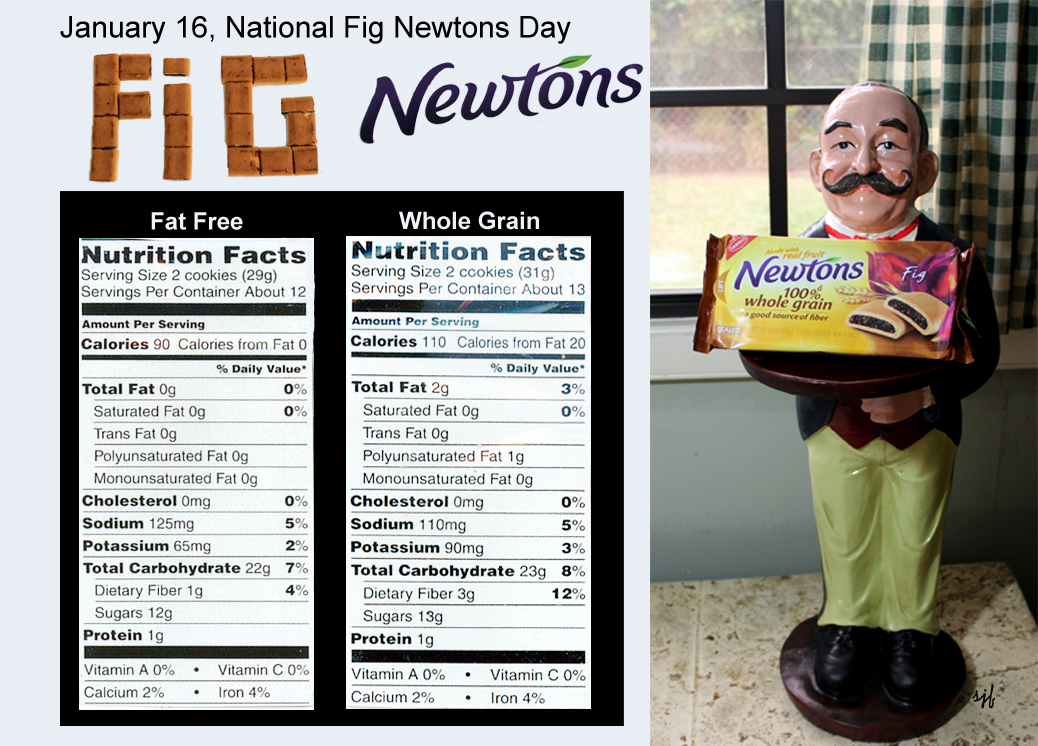
January 16, National Fig Newton Day - Nutrition and How It's Made


Charles M. Roser is known as the man who created the Fig Newton recipe. He would later sell it to the Kennedy Biscuit Works (later known as Nabisco.) 


A Fig Newton is a soft cookie filled with fig jam. As of 2012, in addition to the original fig filling, Nabisco also makes several varieties of the Newton, including strawberry, raspberry, and mixed berry. The Fig Newton also comes in a 100% whole grain and a fat-free variety. There are Fig Newton Minis and a crisp version, called Newtons Fruit Thins. 


How Fig Cookies are Made


Reference

Wikipedia, Newtons (cookie) 
Fig Newton Products 


An educated consumer has the knowledge
to make healthy decisions.


Wednesday, January 8, 2025

January 8, National English Toffee Day

National English Toffee Day

Recognized by the National Confectioners Associations and celebrated by millions across the country, January 8th of each year is National English Toffee Day. A popular variant of the original toffee, in the United States “English toffee,” is a buttery confection topped with almonds. It’s made by caramelizing sugar with butter and can be both hardened or chewy. The Heath bar is a type of candy bar that is made with an English toffee core.


Dietitian Blog List