Wednesday, May 28, 2025

Stay Cool, Stay Hydrated: Beat the Heat! - Heat Safety Awareness

Stay Cool, Stay Hydrated: Beat the Heat!


Heat Safety Awareness 
Resources.
1. National Weather Service
2. Academy of Nutrition and Dietetics, Hydrate Right

Heat is one of the leading weather-related killers in the United States, resulting in hundreds of fatalities each year. Heat-related illnesses can occur when the body’s temperature rises too quickly for it to cool itself properly, or when excessive fluid or salt loss occurs through dehydration, excessive urination, or sweating.

Heat-related illnesses can range from cramps to heat exhaustion to heatstroke. Heatstroke can result in death and requires immediate medical attention.


At-Risk

Factors or conditions making some individuals more susceptible to heat-related illnesses include older adults, young children, the physically disabled, excessive body weight, fever, heart disease, mental illness, poor circulation, prescription medication, alcohol use, and sunburn.


Stay Hydrated

Drink plenty of water, as well as non-alcoholic and decaffeinated fluids. Our body needs water to keep cool. Individuals on fluid-restrictive diets or those with fluid retention issues should consult a physician before increasing their fluid intake. Limit caffeinated beverages and avoid drinking alcoholic beverages. 

Staying hydrated is important, especially when the temperature rises or during increased physical activity. Try these easy ways to increase your fluid intake:

1. Carry a reusable water bottle. Keep it full.
2. Add flavor to your water with slices of lemon, lime, cucumber, or strawberries. Herbal iced teas can be a great way to increase your fluid intake.
3. Eat fruit or popsicles. You can get fluids from the foods you eat. Watermelon and cantaloupe have high water content. A 100% fruit juice pop provides fluids and is refreshing on a hot day.
4. Plan ahead. If you plan to be outside at a picnic or ball game, be sure to pack plenty of fluids.


Never Leave Children, Disabled Individuals
Or Pets in Parked Vehicles

Each year, children and pets left in parked cars die from hyperthermia. Hyperthermia is an acute condition that occurs when the body absorbs more heat than it can dissipate. Studies have shown temperatures inside a parked vehicle can rapidly rise to a dangerous level for children, pets, and even adults. Leaving the windows slightly open does not significantly decrease the heating rate. The effects can be more severe in children because their bodies warm up at a faster rate than those of adults.


PBSO demonstrates dangers of heat inside a car


Monday, May 26, 2025

National Hamburger Day
Fast Foods, Varieties, Recipes and Safety


There are many variations of the burger. This article looks at the nutrition information of Fast Food Burgers, varieties, recipes, and food safety.


The Fast Food Burger
Burger Love Handles is a song written by Don MacLeod about his personal battle with being overweight. The song focuses on the fast-food burger as one of his difficulties in losing weight.


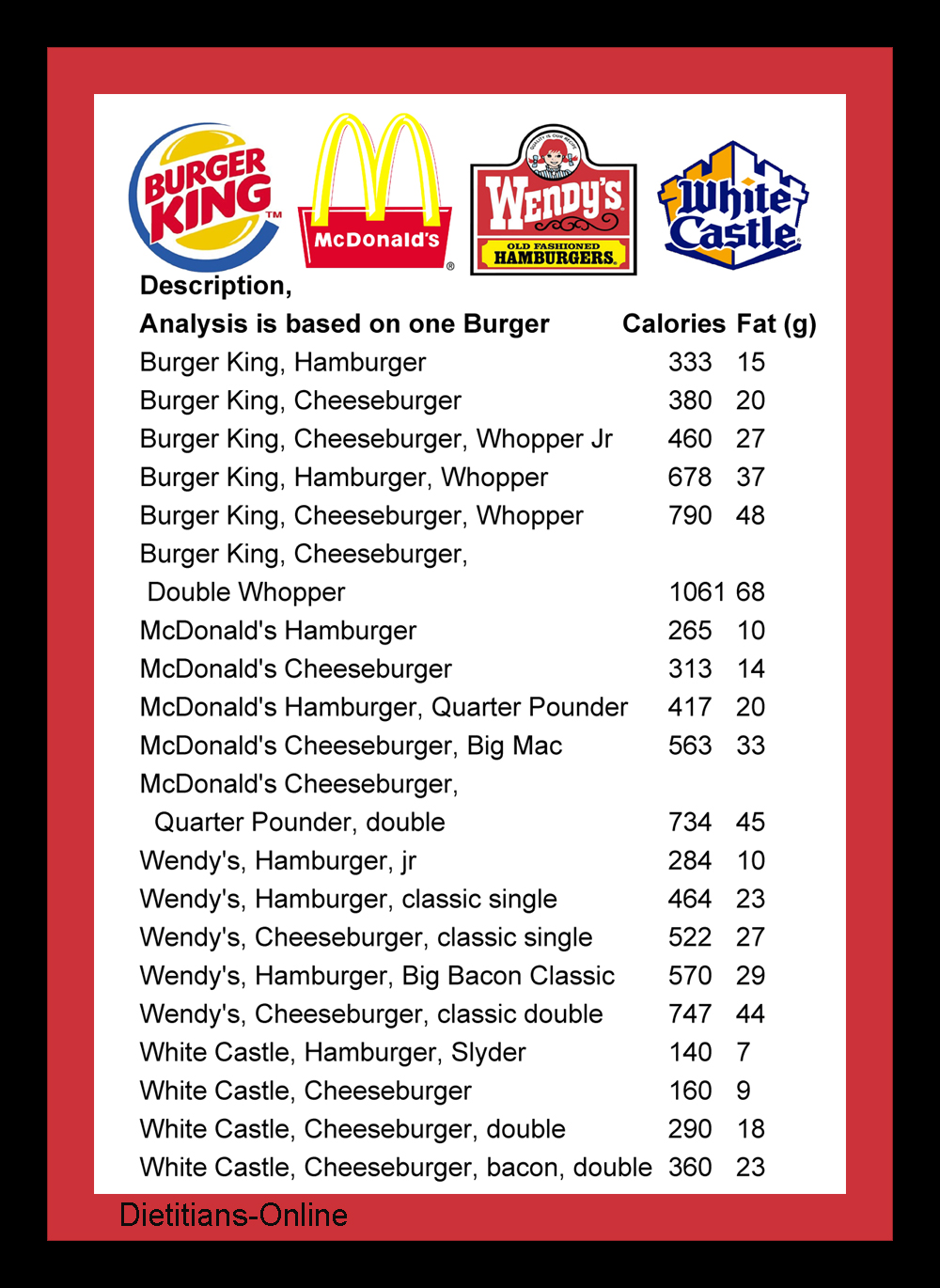
Many fast food items are high in Fat, Cholesterol, Saturated Fat, and Sodium and are Risk Factors associated with Heart Disease. However, the informed customer can make healthier choices at fast-food restaurants. Below is the nutrition information of some Fast Food Hamburgers. Calories range from 140 for a White Castle Slyder to 1061 calories for a Burger King Cheeseburger, Double Whopper.


Burger Variations
The variations of burgers are constantly changing and expanding to meet our personal preferences, cultural differences, and/or nutritional needs.

A burger is not just a ground beef patty served on a bun with numerous extras, such as tomatoes, lettuce, pickles, onions, jalapeno, cheese, ketchup, mayo, mustard, relish - the list is endless. Today, you can prepare or order a burger made from just about any food you can ground up and serve on a bun.

Some of the ground beef alternatives include:
Beans
Tofu
Seitan
Turkey
Chicken
Veal
Pork
Lamb
Bison
Deer
Seafood

In addition to the variations listed above, there are numerous variations based on the percent of fat in ground beef and ground poultry.


Recipes Using Alternatives to Ground Beef
Click the recipe title to obtain a copy of the recipe.

Black Bean Burgers. Courtesy Sandra Lee from Sandra's Money Saving Meals. This recipe is 302 Calories and 5 g Fat


Stuffed Turkey Burgers, Ellie Krieger, Show: Food Network Specials Episode. Calories 286 and 10 grams Fat.

Food Safety
Memorial Day is quickly approaching and many Americans will be using the Barbecue to prepare their favorite Burgers. It is extremely important to practice good food safety techniques.


US Dept of Agriculture experts are sharing advice
on food safety for barbecuing with
chefs from the US Army's "Grill Sergeants"

Tuesday, May 20, 2025

Celebrate Quiche Lorraine Day with Mexican Quiche


Mexican Quiche

Ingredients
1 refrigerated pie crust
6 ounces cheddar cheese, shredded
1 (10-ounce) can tomatoes and green chilies, drained
1 (4 ounces) can diced green chilies, drained
2 ounces diced black olives (canned)
3 eggs
1 cup sour cream
1⁄2 teaspoon chili powder
1⁄2 teaspoon paprika
1⁄4 teaspoon cumin
1⁄8 teaspoon cayenne pepper
1⁄8 teaspoon garlic powder

Directions
1. Arrange the pie crust in a pie plate.
2. Sprinkle shredded cheddar evenly over the bottom of the crust.
3. Spread drained tomatoes/chilis and green chilis over cheese. Sprinkle olives over top.
4. Mix eggs, sour cream, chili powder, paprika, cumin, cayenne, and garlic powder until well mixed. Pour over mixture in pie crust.
5. Bake at 375 for 50 minutes, until firmly set. Allow to sit 5 minutes before serving.

Nutrition Information

Serving size: 1 slice (1/8 pie): 273 calories; 14 g fat (6 g sat); 3 g fiber; 26 g carbohydrates; 11 g protein; 113 mg cholesterol; 5 g sugars; 0 g added sugars; 120 mg calcium; 3 mg iron; 335 mg sodium


Saturday, May 17, 2025

Celebrate Walnuts - National Walnut Day

Walnuts are used for food after being processed, either green for pickled walnuts or after full ripening for nutmeat. They are nutrient-dense, with protein and essential fatty acids.


Nutrient Profile


Adding Walnuts to your Diet
1. Walnut meats are available in two forms; in their shells or shelled. The meats may be whole, halved, or in smaller portions due to processing.
2. Walnuts are often candied and may be used as an ingredient in other foodstuffs.
3. Pickled walnuts are the whole fruit that can be savory or sweet depending on the preserving solution.
4. Walnut butter can be homemade or purchased in both raw and roasted forms.
5. All walnuts can be eaten on their own (raw, toasted, or pickled) or as
6. Walnuts can be added to muesli
7. Add to oatmeal
8. Add crunch to a salad
9. Mix into a vegetable stir-fry for extra protein.
10. Popular in brownie recipes

Walnut oil is available commercially and is chiefly used as a food ingredient, particularly in salad dressings. Its low smoke point limits its use for frying.

More than 99% of the walnuts in the U.S. are grown in California’s Central Valley. Internationally, California walnuts supply three-quarters of the world’s walnut trade.

Walnuts positively impact heart health and may also improve cognitive function.


Recipe
Beet, Goat Cheese and Walnut Salad, California Walnut  


References
1. Walnut, Wikipedia  
2. California Walnut, Resources, and Recipes  


Tuesday, May 13, 2025

National Hummus Day - Recipes and Nutrition Profile

Hummus versus Mayonnaise
If you use one Tablespoon of Hummus,
instead of one Tablespoon of Mayonnaise
You will save 74 calories!


Recipes

Hummus with Peppers and Cucumbers Wrap

Camera f/6.3; 1/100; ISO 100; light - natural. Nutrition Info. 131 Calories; 5g Protein; 12g Carbohydrates; 4g Dietary Fiber; 4g Total Sugars; 5g Fat; 0 mg Cholesterol; 446 IU Vitamin A; 96mg Vitamin C; 206mg Sodium


Hummus and Lentil Pizza


Ingredients.‎


1/2 sandwich thin
1 Tbsp Hummus
2 Tbsp Caponata (diced eggplant with sun-dried tomatoes
1/2 oz Goat Cheese
2 Tbsp Lentil Salad

Nutrition Information.
165 Calories; 7 g Protein; 19 g Carbohydrates; 3 g Dietary Fiber; 9 g Fat
6 mg Cholesterol

Perfect for breakfast, snack or a light lunch.


Saturday, May 10, 2025

Clean Up Your Room Day


I always considered myself an organized person, but sometime in the 1980s, I started saving everything from – old lesson plans; grocery receipts (from recipe testing); scrap papers with numbers (no names); clothes (from size 2 to 24); my son’s artwork; Journals; textbooks, VHS; cassettes; broken phones; wires.. the list is too long to include everything here. 

I started to go through my collection of “stuff” to see what I had and what I no longer needed. I knew this would be a massive undertaking; this was over 30 years of my life collecting dust in boxes, files, drawers, cupboards, closets, the garage, and the attic. In just 3 months, I had thrown out over 15 large garbage bags of junk and still did not feel I had made a dent. 

This week, I decided to focus only on one part of the house. I chose my office, which is connected to my bedroom. I would not be going through my clothes yet, but it was on the to-do list. I gathered all the boxes from my office, bedroom, under-the-bed, cupboards, shelves, drawers, filing cabinets, and the hidden closet. I placed everything in my den to use as my staging area. This was also the only place in my home that still had a record player. I thought while I’m going through this massive amount of paper, I would listen to some of my old favorites before I donated (or threw out) my albums. I have to check to see if they are recyclable.


Who Is NAPO?
The National Association of Professional Organizers (NAPO) is a group of about 4,200 professional organizers dedicated to helping individuals and businesses bring order and efficiency to their lives. Their vision is to have the world recognize the value of organizing and turn to NAPO as the leading organizing authority. Their mission is to develop, lead, and promote professional organizers and the organizing industry. In addition to serving professional organizers, they aim to help consumers and those interested in becoming professional organizers.

Get Rid of Clutter


Benefits of Organization
Organization improves one’s work, life, financial situation and frees up time and space.

10 Benefits of Getting Organized
1. Stress levels will go down, and there will be less chaos and a more relaxed life.
2. Efficiency gets projects done quicker with less time wasted on looking for things and being able to make quicker decisions.
3. An organized person is able to fit in time for friends, family members, and helping out in the community.
4. Getting organized helps you feel better about your environment, and you are more likely to invite people into your environment without embarrassment.
5. You'll be a better role model for your children.
6. Get organized, and you'll have more than enough time to exercise and cook healthy meals for yourself and your family.
7. An organized environment also tends to be a much cleaner environment.
8. An organized person gives a much better business impression than someone who can't find a phone number, has an office piled with cardboard boxes, or is always late for appointments.
9. When you're organized, you'll always know what you have before you buy more.
10. Organized people find ways to eliminate tasks that aren't necessary and to streamline those that are taking too much time. This leaves plenty of time to work on achieving your goals. 


“Organization brings a level of peace and tranquility to your life,” says Jennifer Snyder of Neat as a Pin! Organizing Experts. Snyder also advises people not to keep things around “just in case.” 


“Clutter makes noise; it makes energetic noise. It sucks your energy from you.” Clutter also attracts dust and pests. “Clutter is basically sending a message there’s something in your life that you need to get at. 


Snyder organizes for no more than four hours at a time to give her clients time to adjust to the improvements. “It didn’t get that way overnight. It’s a lifestyle change. You’re changing the way you think about things and becoming more emotionally healthy,” she said. 


What to do with castoffs. Once space is organized, there will be bags of items to discard. An itemized list of donations to receive tax deductions and discard things properly, such as erasing computer hard drives before dropping them off at a donation center.


Being better organized can provide energy, time 
and happiness. 

Get the Children Involved


Resources:
National Association of Professional Organizers 

WebMD. 
Clutter Control: Is Too Much 'Stuff' Draining You? Get your clutter under control, and your attitude and health may improve, too.


I read that one should take a photo of one's child's artwork, and then the boxes of schoolwork can be thrown away. I had one problem—my son. As I was admiring the years of his efforts, he came by to see how I was doing. With a look of shock and horror, Jake told me how I could throw away his work. "I made it for you, Mom."

So here is the photo. I ended up keeping his cherished work. I guess I'm not ready to get rid of everything yet.


Saturday, April 19, 2025

Wishing you the Joy of Easter

Wishing you the Joy of Easter


The Easter Egg


Where did the colored Easter eggs come from? The egg is a symbol of new life, rebirth, and the celebration of spring. The early Christians describe the egg as a symbol of the resurrection of Jesus.

After a long hard winter with small amounts of food, an egg for Easter was quite a treasure. Later, Christians abstained from eating meat during Lent. Easter was the first chance to enjoy eggs and meat after the long abstinence.


Nutrition Facts
A medium-sized chicken egg is only 70 calories and rich in protein. Check the chocolate eggs below and compare.


Thursday, April 17, 2025

Holly, Our Beagle: Loyal Friend, Forever Family

Holly: The Beagle Who Howled Her Way Into Our Hearts


Holly came into our lives on Christmas Day, 2013. We met her at the Broward County Animal Shelter. Jake was immediately drawn to her—something just clicked. We had never owned a beagle before and didn’t know much about them, but that didn’t matter. Holly had already chosen us.

On the drive home, she looked around, then let out a long, loud howl. Jake and I jumped, startled, then burst into laughter. “So that’s what a beagle sounds like,” we said. It was her way of saying thank you—and announcing that life with Holly would never be boring.

At home, we quickly learned a few more things. Holly loves people, does not love other dogs, and has a habit of running off to explore. Fortunately, we had put her name and phone number on her collar, which turned out to be a blessing—we’ve met over 75 neighbors thanks to her little adventures. Holly may not like other dogs, but she brought our community together in her own way.

She tolerated the other dogs in our home, as long as they gave her space. And they learned quickly: Holly was the queen of her domain.

Over the years, she’s stood by us through so much—devastating hurricanes, a house fire, hard times and healing. She didn’t need to say much; her presence was enough.

When we learned Holly had Epitheliotrophic Cancer, I felt a lump in my heart. We always knew this day would come, but knowing doesn’t make it easier. She’s now on palliative care, and we’re making the most of every moment—soaking in her howls, her stubbornness, her warmth.

Whatever time we have left, it will be full of love, gratitude, and the sound of a beagle who changed everything just by being herself.


Tuesday, April 15, 2025

Feast Your Eyes: Where Food Meets Art

Celebrating World Art Day Through Edible Expression

#WorldArtDay #FoodArt #EdibleArt


Art isn’t limited to canvases and galleries—it’s also found in our kitchens, bakeries, and dinner tables. This World Art Day celebrates creativity in one of its most delicious forms: food.

Whether it’s a beautifully styled salad, a hand-painted cake, or a sculpted charcuterie board, food has become a powerful and accessible medium for artistic expression. It blends color, shape, texture, and even emotion, inviting us not just to eat—but to experience.

A Plate Is a Canvas

Artistic food isn't just for chefs or professionals. Anyone can turn a dish into a masterpiece. From the swirl of a sauce to the placement of a garnish, each detail adds to the visual impact of the meal. Think:

  • Rainbow sushi rolls arranged like a mosaic

  • Layered smoothie bowls that look like abstract paintings

  • Charcuterie boards that resemble still-life arrangements

  • Decorated cookies and cakes that rival fine art

Food art brings joy, surprise, and wonder before you even take the first bite.

Why Food Art Matters

Creating food art invites us to slow down, appreciate ingredients, and find beauty in the everyday. It engages all the senses and connects us to culture, tradition, and memory. And let’s be honest—nothing sparks conversation like a cake that looks too pretty to eat!

Get Inspired

This World Art Day, try creating your own edible masterpiece. You don’t need fancy tools—just imagination and a few ingredients. Try:

  • Styling a colorful breakfast bowl

  • Designing your own cupcake toppers

  • Arranging a fruit platter with geometric flair

  • Turning leftover veggies into a vibrant stir-fry display

Snap a photo before you dig in—tag it with #FoodArt and #EdibleArt to share your creation.

Art Is Everywhere—Even on Your Plate

World Art Day is about honoring creativity in all its forms. Today, let’s celebrate by recognizing the beauty in the bites we create and share. Whether it’s a family recipe or a fun experiment, food is more than nourishment—it’s a chance to make art every day.


✨ Learn more about World Art Day: UNESCO World Art Day

Hungry for inspiration? Grab your apron—your next masterpiece might come out of the oven.


Monday, April 14, 2025

Plant a Seed, Grow a Dream
a Tribute to the Cooperative Extension

The ground has thawed from the winter, at least in most areas. Many people decide whether to start a garden or what crops to plant this year.

Plant a Seed, Grow a Dream


Gardening is a passion of mine. I initially started my studies in agronomy and later changed to nutrition. The cooperative extension became an important part of my education and a wonderful resource. It was also my first job as a dietitian, teaching nutrition in a summer program through Cornell University Extension.


What is the Cooperative Extension?
The Cooperative Extension, also known as the Extension Service of the United States Department of Agriculture, is a research-based educational program designed to help people in the areas of agriculture and food, home and family, the environment, community economic development, and youth and 4-H. The service is provided in every state's designated land-grant universities. 

NIFA is the federal partner in the Cooperative Extension System. It provides federal funding to the system and, through program leadership, helps the system identify and address current issues and problems.

History 

The Morrill Act of 1862 established land-grant universities to educate citizens in agriculture, home economics, mechanical arts, and other practical professions. Extension was formalized in 1914 with the Smith-Lever Act. It partnered with agricultural colleges and the USDA to provide cooperative agricultural extension work. 


Over the last century, the extension has adapted to changing times and continues to address a wide range of human, plant, and animal needs in urban and rural areas. The Cooperative Extension focuses on education in six major areas: 


1. 4-H Youth Development 

2. Agriculture
3. Leadership Development

4. Natural Resources
5. Family and Consumer Sciences

6. Community and Economic Development

Below are educational videos prepared by various Cooperative Extensions across the United States.


How to Grow Blueberries
North Carolina Cooperative Extension


Caring for Asparagus
University of Maine Cooperative Extension


Eat Smart New York! - 
Cornell Cooperative Extension Westchester County


Color Yourself Healthy
University of Nebraska


Florida Statewide Extension Sustainability Programs


Resources
1. To find your nearest Cooperative Extension office.
2.  
National Gardening Association
3.  
Food Gardening Guide


Saturday, April 12, 2025

A Grilled Cheese Journey: From Classic to Creative

A Grilled Cheese Journey: From Classic to Creative


Cooked bread and cheese are popular in many cultures around the world.  In the United States, the grilled cheese sandwich originated in the 1920s. Bread and American cheese were inexpensive and readily available during the Great Depression.

A grilled cheese sandwich is assembled and then heated until the bread crisps and the cheese melts, sometimes combined with additional ingredients such as tomatoes, bacon, ham, peppers, and assorted fruits. Several different methods of heating the sandwich are used. Common cooking methods include cooking on a griddle, grilled, fried in a pan, broiled, or made in a panini grill or sandwich toaster.

Grilled Cheese Sandwiches 

Grilled Brie Sandwich with Apricots and Sliced Almonds

Ingredients
1 slice Pumpernickel Bread
1.25 oz Brie
2 tsp Apricot Fruit Spread
4 g Sliced Almonds
20 g Dried Fruit (Apricots, Raisins)


Directions
Spread Brie on pumpernickel bread. Grill until melted. Top with apricot fruit spread and sliced almonds. Serve apricots and raisins on the side. 


Grilled Apple and Swiss Cheese Sandwich
One serving


Ingredients.
2 slice whole-wheat bread
1-1/2 tsp olive oil
1/2 granny smith apple (peeled cored and thinly sliced)
1/3 cup swiss cheese (shredded)

Directions.
Preheat a skillet over medium heat. Lightly brush one side of each slice of bread with olive oil. Place 1 slice of bread, olive oil side down into the skillet, and arrange the apple slices evenly over the top. Sprinkle the Swiss cheese over the apple, and then top with the remaining slice of bread, olive oil side up. Cook until the bread is golden brown, flip the sandwich over, and cook until the other side is golden brown and the cheese has melted, 1 to 2 more minutes.


Grilled Muenster Cheese on Whole Wheat Sandwich Round with Pecans, Blueberries, and Green Onions. Serve with Sliced Yellow Squash and Raspberries

Friday, April 11, 2025

National Pet Day
Health Benefits


Health Benefits of a Pet


Studies have found that:
• Pet owners are less likely to suffer from depression than those without pets.
• People with pets have lower blood pressure in stressful situations than those without pets.
• Playing with a pet can elevate levels of serotonin and dopamine, which calm and relax.
• Pet owners have lower triglyceride and cholesterol levels than those without pets.
• Heart attack patients with pets survive longer than those without.
• Pet owners over age 65 make 30 percent fewer visits to their doctors than those without pets.

Caring for a pet can help with those healthy lifestyle changes by:
• Increasing exercise. Exercise doesn’t have to involve boring repetition at a gym. Taking a dog for a walk, riding a horse, or simply chasing a kitten around are fun ways to fit healthy daily exercise into your schedule.
• Providing companionship. Isolation and loneliness can make disorders such as depression even worse. Caring for a living animal can help make you feel needed and wanted, and take the focus away from your problems. Most pet owners talk to their pets, some even use them to work through their troubles.
• Helping meet new people. Pets can be a great social lubricant for their owners. Dog owners frequently stop and talk to each other on walks or in a dog park. Pet owners also meet new people in pet stores, clubs, and training classes.
• Reducing anxiety. A dog's companionship can offer comfort, help ease anxiety, and build self-confidence for people anxious about going out into the world.
• Adding structure and routine to your day. Many pets, especially dogs, require a regular feeding and exercise schedule. No matter your mood—depressed, anxious, or stressed—you’ll always have to get out of bed to feed, exercise, and care for your pet.
• Providing sensory stress relief. Touch and movement are two healthy ways to quickly manage stress. This could involve petting a cat or taking a dog for a walk.

Pets and older adults
The key to aging well is to effectively handle life’s major changes, such as retirement, the loss of loved ones, and the physical changes of aging. Pets can play an important role in healthy aging by:
• Helping you find meaning and joy in life. As you age, you’ll lose things that previously occupied your time and gave your life purpose. You may retire from your career or your children may move far away. Caring for a pet can bring pleasure and help boost your morale and optimism. Taking care of an animal can also provide a sense of self-worth.
• Staying connected. Maintaining a social network isn’t always easy as you grow older. Retirement, illness, death, and moves can take away close friends and family members. And making new friends can get harder. Dogs especially are a great way for seniors to spark up conversations and meet new people.
• Boosting vitality. You can overcome many of the physical challenges associated with aging by taking good care of yourself. Pets encourage playfulness, laughter, and exercise, which can help boost your immune system and increase your energy.

Resources and References

American Humane Association
5 Ways Pets Can Improve Your Health


Dietitian Blog List