Showing posts with label recipes. Show all posts

Thursday, December 4, 2025

December 4, National Cookie Day
Healthy Cookie Recipes and Tips

The Holiday reminds me of the wonderful aroma of fresh-baked cookies. My family owned a bakery in New York. This is my son Jake peering through the glass, wondering what cookie he wants.


Try healthy homemade cookies from EatingWell, Healthy Cookie Recipes, and Tips.
(You still need to watch how many cookies you eat.)


Resource

My Favorites:
Meringues at 8 Calories per cookie.


For young and older - here is Cookie Monster,
sharing how he feels about cookies.

Sesame Street: 
Cookie Monster Sings C is for Cookie


Monday, December 1, 2025

December 1, National Eat a Red Apple Day


Health Benefits
Apple is a fruit rich in antioxidants and a good source of fiber. Quercetin, an antioxidant found in apples, may inhibit lung cancer. Pectin found in apples helps treat diarrhea and constipation by adding bulk to the stool. Other benefits being studied include treatments for diabetes, heart disease, lowering blood pressure, lowering blood levels of LDL, reducing risks of Alzheimer’s, and decreasing bone fractures.

Apple seeds should never be eaten. They contain the poison cyanide.

Let’s not forget the peel. The apple peel contains ursolic acid, a chemical that may prevent muscle wasting.


There may be some truth to “An Apple a Day, Keeps the Doctor Away”.


Recipe
Baked Stuffed Apple

Yield 2 servings

Ingredients 
2 medium apples 
1/2 cup bran flakes 
1/4 cup applesauce, unsweetened
1 Tbsp raisins 

1/2 teaspoon vanilla extract 
1/4 teaspoon cinnamon, ground 
1/4 teaspoon pumpkin pie spice


Directions 
1. Preheat the oven to 350°F.
2. Core and slightly hollow out the apples with a spoon, leaving the bottom of the apples intact to create a well for the filling. Place the apples in a pan.
3. In a bowl, combine the bran flakes, applesauce, raisins, vanilla extract, cinnamon, and pumpkin pie spice. Fill and top each apple with the cereal mixture.
4. Bake for 40 minutes, or until the sides of the apples are soft and easily pierced with a knife.


Nutrition Information


NY Apples Are a Smart Choice for Healthy Eating
Kelly Springer, RDN


References and Resources
1. U.S. Apple Association
2. 
Apple Recipes, Washington Apple Commission

 
Nutritional Analysis Services
Ensure accurate, cost-effective nutritional analysis and food nutrition facts labels for your recipes and menus, using an extensive research database. An excellent service for the Media, Cookbook Publishers, Writers, Chefs, Recipe Websites, and Blogs. Your readers will enjoy and benefit from the Nutrition information.

For more information, visit Dietitians-Online Nutritional Analysis Services

contact:
Sandra Frank, Ed.D, RDN, FAND
recipenews@gmail.com
954-294-6300


Sunday, November 30, 2025

November 30, Joy of Cooking Anniversary

The Joy of Cooking is one of the United States' most popular cookbooks. It contains over 4,500 recipes and provides cooking and kitchen lessons and references.


In 1931, Irma S. Rombauer, a homemaker, recent widow, and single mom, privately published The Joy of Cooking. Since then, the book has undergone numerous revisions and sold over 18 million copies. The Joy of Cooking is a staple in many homes and is commonly found in commercial kitchens. 

Joy of Cooking: Fun Facts


Changes in the Joy of Cooking
through the Years


Resources.

1. Learn more about the history of the American kitchen and cuisine through the Joy of Cooking
2. Wikipedia, The Joy of Cooking 
3. Joy of Cooking History


Sunday, October 26, 2025

National Pumpkin Day - From Seed to Table

Pumpkins are thought to have originated in North America. The oldest evidence, pumpkin-related seeds dating to 7000-5500 BC, was found in Mexico.

The color of pumpkins derives from orange carotenoid pigments, including beta-cryptoxanthin, alpha and beta-carotene, all of which are provitamin A compounds converted to vitamin A in the body. 


Pumpkins
Is anything more fall-like than a pumpkin? These orange winter squashes are chock-full of vitamin A and deliver 3 grams of fiber per ½-cup serving of cooked sugar pumpkin, plus potassium. Note that the pumpkins you carve into jack-o’-lanterns are not the same type of pumpkins you eat. Try pumpkin puree mixed with mac-and-cheese or with hummus for a seasonal spread. Looking for more options? Add pumpkin to pancake batter, oatmeal, smoothies, or your kid's favorite chili.


Nutritional Profile
And don't forget about roasting the seeds! Pumpkin seeds are a delicious and healthy snack and a good source of several nutrients, including zinc, which is essential for many body processes, including immune function.
To toast your pumpkin seeds, first, rinse to remove pulp and strings. Spread seeds on a baking sheet that has been coated with cooking spray or drizzle a small amount of olive oil over seeds. Bake at 325°F for about 30 minutes or until lightly toasted. Stir occasionally during cooking. Take a look at your spice rack and try a seasoning on your toasted seeds, such as garlic powder or Cajun seasoning.


Vegetable Soup served in a Pumpkin Bowl


Wednesday, October 15, 2025

National Mushroom Day


Growing Your Own Mushrooms


Top 8 Ways to Enjoy Mushrooms,
Fruits & Veggies More Matters.org


1. Sauté. Easy as 1, 2, 3! Brush pan lightly with oil and heat on high. Add a single layer of mushrooms. Turn once mushrooms become reddish-brown on one side [after a few minutes]. Cook until the other side turns the same color, remove from heat. Add to any dish!

2. Grill and Broil [best for larger capped mushrooms, such as Portabellas]. Lightly brush caps and stems with oil and season as desired. Grill or broil 4 to 6 inches from heat source for 4 to 6 minutes on each side, brushing once or twice. Tip: Make these savory mushrooms the "main stage" of the meal.

3. Roast for Flavor. Roasting mushrooms is perfect for multitasking cooks. Preheat oven to 450 degrees. Brush mushrooms with oil [about 1 tablespoon of oil for each 8 ounces of mushrooms]. Place mushrooms on a shallow baking pan in the oven. Stir occasionally until brown [about 20 minutes].

4. Steam in the Microwave. Microwaved mushrooms can freshen up lunchtime meals enjoyed at work or home. Place 8 ounces of sliced mushrooms in a microwaveable bowl. Cover and cook on 100% power for 2-3 minutes. Toss onto a hot sandwich, chili, soup or packaged meal.

5. Freshen Up Your Meals. Toss fresh mushrooms in your everyday meals like lasagna or soup to add key nutrients with no fat, little calories and no cholesterol.

6. Sandwich Swap. Cut slices of Portabella mushrooms for your favorite sandwich instead of meat for a healthy inexpensive swap.

7. Save for Later. Sauté fresh mushrooms and store them in the freezer for up to a month. Careful: Fresh, uncooked mushrooms should never be frozen.


8. Bag the Burger. Have a burger craving? Try swapping your burger for a grilled Portabella on a bun with your favorite condiments. Your taste buds will love the meaty texture and your body will appreciate the swap.


Resources
1. Wikipedia, Mushrooms
2. Kitchen Dictionary: Mushroom


Wednesday, October 8, 2025

World Octopus Day - Food Resources

Octopus Food Resources

Nutrient Profile

How to Cook Octopus
by Kyle Phillipsfeatured in Spruceeats


Best Recipes for Octopus,
Food & Wine


It may seem daunting, but the octopus is worth tackling at home. Whether grilled or braised, the tender tentacles are incredibly delicious and can be served in a myriad of ways.


Pan-Seared Octopus with Italian Vegetable Salad 
by Jon Shook and Vinny Dotolo


Thursday, September 4, 2025

Macadamia Nuts: From Farm to Table

The macadamia nut is the seed of the macadamia tree. It is native to Australia and is also known as the Australian Nut. Macadamia nuts are commercially grown in Hawaii and, to a much smaller degree, in California and Florida. Roasted macadamia nuts are a popular snack. 

Macadamia Nuts: From Farm to Table


Health Benefits and Nutrition


Macadamia nuts are a rich source of monounsaturated fatty acids (MUFA), such as oleic acid and palmitoleic acid. Studies suggest that eating macadamia nuts as part of a healthy meal plan seems to lower low-density lipoprotein (LDL) cholesterol and to raise high-density lipoprotein (HDL) cholesterol.

Compared to other common edible seeds such as almonds and cashews, macadamias are high in fat and low in protein. Macadamia nuts have a sweet taste. One ounce of nuts provides about 200 calories.

They contain numerous nutrients, minerals, antioxidants, and vitamins that are essential for optimum health and wellness.

One ounce (28.3 g) of macadamia provides 2 g or 8% of the daily-recommended levels of dietary fiber. Additionally, they are a very good source of phytosterols such as β-sitosterol. Macadamia nuts contain no cholesterol.

Macadamia nuts are free from gluten; it is a popular ingredient in the preparation of gluten-free foods. This provides a healthy alternative in people with wheat gluten allergy and celiac disease.


Macadamia Nut Side Effects & Safety
Macadamia nuts are safe as food. They can cause an allergic reaction, but this is unusual.

Special Precautions & Warnings
Macadamia nuts are toxic to dogs.


Recipes


Cooking Healthy Across America by Academy of Nutrition and Dietetics Food and Culinary Professionals

1. Food Network, Macadamia Nut Recipes

Resources
1. Wikipedia, Macadamia Nuts
2. 
Nutrition and You, Macadamia Nuts


Thursday, July 31, 2025

Discover the Wonders of Avocados - From Farm to Table

Avocados offer nearly 20 vitamins and minerals in every serving, including potassium (which helps control blood pressure), lutein (which is good for your eyes), and folate (which is crucial for cell repair and during pregnancy).


Avocados are a good source of B vitamins, which help you fight off disease and infection. They also give you vitamins C and E, plus natural plant chemicals that may help prevent cancer.


Avocados are low in sugar. And they contain fiber, which helps you feel full longer. In one study, people who added a fresh avocado half to their lunch were less interested in eating during the next three hours.

Fat and Calories

Avocados are high in fat. But it's monounsaturated fat, which is a "good" fat that helps lower bad cholesterol, as long as you eat them in moderation. 

Avocados have a lot of calories. The recommended serving size is smaller than you’d expect: 1/5 of a medium avocado (or 1 ounce) is 50 calories.


Recipe: California Avocado Super Summer Wrap Recipe,
Fruits & Veggies— More Matters  


How to Prepare Avocados

Store avocados at room temperature, keeping in mind that they can take 4 to 5 days to ripen. To speed up the ripening process, put them in a paper bag along with an apple or banana. When the outside skins are black or dark purple and yield to gentle pressure, they’re ready to eat or refrigerate.

Wash them before cutting so dirt and bacteria aren’t transferred from the knife onto the pulp.

While guacamole is arguably the most popular way to eat avocado, you can also puree and toss with pasta, substitute for butter or oil in your favorite baked good recipes, or spread or slice onto sandwiches. Try adding avocado to salad, pizza, soup, salsa, eggs, and sandwiches.


When ordering at a restaurant, remember that not all avocado dishes are created equal. Some items -- like avocado fries and avocado egg rolls -- are coated in batter and fried, making them much higher in both calories and fat.


Top Ways to Enjoy Avocados

1. Skip the Mayo! Mash 1/3 an avocado and spread it on your sandwich instead of mayonnaise. Rich in monounsaturated fat, avocados are a healthy substitute for mayonnaise, cream cheese, butter, or sour cream.  

2. Avocado is a deliciously rich, healthy, and filling addition to salads. Just dice and toss!

3. Add some avocado slices to your sandwiches! This tasty fruit adds a delicious flavor but it also adds substance to an otherwise meager concoction. 

4. Enjoy avocado as part of a healthy stir-fry dish.

5. Grab a Spoon. Halve avocados, remove the pit and start spooning. Want a little kick? Add some low-sodium soy sauce in that little dip in the middle.

6. Avocados are perfect in fish and seafood sauces.

7. Halve avocados then use a small ice-cream scoop to fill the little dip in the middle with your favorite chicken, tuna, or ham salad recipe.

8. Mix together one mashed avocado, 1/2 cup of non-instant oatmeal, and one tablespoon of honey. Apply to your face, wait 15 minutes then rinse.

9. Prepare Guacamole 

Allergic to Latex?
If you have a latex allergy, talk to your doctor before adding avocado to your diet. People with a serious allergy to latex may also experience symptoms after eating an avocado.

Resources
Top 10 Ways To Enjoy Avocados, Fruits, and Veggies More Matters


Wednesday, July 30, 2025

Watermelon Wonderland: Fun Creations for all ages

Watermelon Wonderland: Fun Creations for all ages. 


The National Watermelon Promotion Board (NWPB) is a non-profit organization formed in 1989 by watermelon growers and shippers. Their goal is to increase consumer demand for watermelon through promotion, research, and educational programs. The NWPB has developed marketing programs to boost watermelon sales in supermarkets throughout the U.S. and Canada. Their site contains recipes, nutrition facts, fun games for children, lessons for educators, and information for health professionals and the media.

Watermelon and Food Safety
1. Wash your hands thoroughly with soap and water before cutting watermelons.
2. Wash the outer surface of the melon with clean running water and dry to remove any dirt. If you purchase a pre-cut piece of watermelon, you should rinse the rind portion in fresh water and dry it.
3. Wash cutting boards, countertops, scoops, knives, and other equipment or utensils with hot water and soap to avoid cross-contamination.
4. If you refrigerate the watermelon after purchasing, be sure to keep the watermelon cool.
5.
Always refrigerate watermelon once you have cut into it. Place in a covered container or cover the cut surface with plastic wrap to prevent the melon from becoming mushy.

Nutrition Facts about Watermelon

Watermelon is rich in Vitamin A and Vitamin C, contains no Trans Fatty Acid, no Cholesterol, very low in sodium, and has only 46 calories in One Cup. Watermelon contains lycopene, an antioxidant which may reduce the risk of cancer.

Watermelon contains about 6% sugar and 92% water by weight. It is a great way to get additional fluids.

Creating Snacks or a
Light Meal using Watermelon


Shrimp Cocktail Watermelon

Watermelon Fruit Cup

Watermelon Stuffed Sushi

Watermelon Stuffed Chicken Salad
with Crackers, Raspberries & Mango


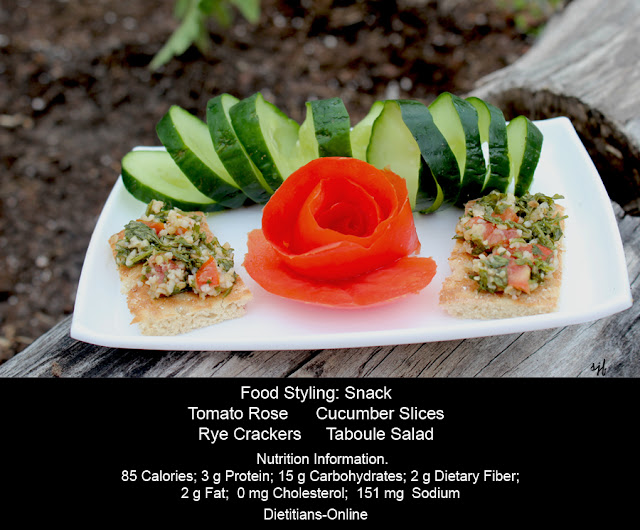
Watermelon Stuffed Tabouli with Goat Cheese

Watermelon Stuffed Granola with Seasonal Fruit

Watermelon Circles with Feta Cheese and Lentil Salad

Fun with Fruit


Watermelon and Feta Cheese Salad


Selecting a Watermelon

How to Grow Watermelons


Carving Watermelon


Thursday, May 22, 2025

Spotlight on Asparagus

Spotlight on Asparagus


Asparagus is a perennial garden plant belonging to the Lily family. It is harvested in the spring when it is 6 to 8 inches tall. The most common variety of asparagus is green in color. There are two other edible varieties available. White asparagus is grown underground to inhibit its development of chlorophyll content, therefore creating its distinctive white coloring. It is generally found canned, although you may find it fresh in some select markets, and it is generally more expensive than the green variety since its production is more labor-intensive. The other edible variety of asparagus is purple in color. It is smaller than the green or white variety (usually just 2 to 3 inches tall) and features a fruitier flavor. It also provides benefits from phytonutrients called anthocyanins that give it its purple color.

Nutrition Information
Low in calories, only 20 per 3.5 oz. serving
Contains no fat or cholesterol
Very low in sodium
A good source of potassium. (1)
A source of fiber (2 grams per 3.5 serving)
An excellent source of folic acid
A significant source of thiamin and vitamin B6


Selection
Asparagus stalks should be rounded, and neither fat nor twisted. Look for firm, thin stems with deep green or purplish closed tips. The cut ends should not be too woody, although a little woodiness at the base prevents the stalk from drying out. Once trimmed and cooked, asparagus loses about half its total weight. Use asparagus within a day or two after purchasing for the best flavor and texture. Store in the refrigerator with the ends wrapped in a damp paper towel.

Preparation and Cooking
Thin asparagus does not require peeling. Asparagus with thick stems should be peeled because the stems are usually tough and stringy. Remove the tough outer skin of the bottom portion of the stem (not the tips) with a vegetable peeler. Wash asparagus under cold water to remove any sand or soil residues. It is best to cook asparagus whole. If you want to cut asparagus into small pieces, it is best to cut them after they are cooked. Asparagus can be served hot or cold.

Serving Ideas
•  Add cold asparagus to your favorite salad.
•  Toss cooked pasta with asparagus, olive oil, and your favorite pasta spices. 
•  Chopped asparagus make a flavorful and colorful addition to omelets.
•  Sauté asparagus with garlic, mushrooms, and tofu or chicken for a complete meal.

Recipes
Asparagus Recipes & Tips from The Produce Lady


How To Make Perfectly Roasted Asparagus


EatingWell, Asparagus 

Food Network, Asparagus recipes

Saturday, May 17, 2025

Celebrate Walnuts - National Walnut Day

Walnuts are used for food after being processed, either green for pickled walnuts or after full ripening for nutmeat. They are nutrient-dense, with protein and essential fatty acids.


Nutrient Profile


Adding Walnuts to your Diet
1. Walnut meats are available in two forms; in their shells or shelled. The meats may be whole, halved, or in smaller portions due to processing.
2. Walnuts are often candied and may be used as an ingredient in other foodstuffs.
3. Pickled walnuts are the whole fruit that can be savory or sweet depending on the preserving solution.
4. Walnut butter can be homemade or purchased in both raw and roasted forms.
5. All walnuts can be eaten on their own (raw, toasted, or pickled) or as
6. Walnuts can be added to muesli
7. Add to oatmeal
8. Add crunch to a salad
9. Mix into a vegetable stir-fry for extra protein.
10. Popular in brownie recipes

Walnut oil is available commercially and is chiefly used as a food ingredient, particularly in salad dressings. Its low smoke point limits its use for frying.

More than 99% of the walnuts in the U.S. are grown in California’s Central Valley. Internationally, California walnuts supply three-quarters of the world’s walnut trade.

Walnuts positively impact heart health and may also improve cognitive function.


Recipe
Beet, Goat Cheese and Walnut Salad, California Walnut  


References
1. Walnut, Wikipedia  
2. California Walnut, Resources, and Recipes  


Saturday, May 10, 2025

A Shrimp-filled Journey from around the World

Global Shrimp Delights: A Culinary Journey. Join us on a shrimp-filled journey worldwide, from prawn curry (India) to Paella (Spain).


Resources and Recipes


Dietitian Blog List